
The Gesture of Being
How might we discuss traces and existence within a space that carries historical memory? The ALIEN Art Centre, formerly the Kinma Military Hostel from the 1960s to the 1990s, carries its own history, sense of time, and memory of place. When works enter this space, ‘writing’ is no longer merely an act of individual creation; it becomes a process of coexistence with the site, history, and audience.
With writing as its central thread, the exhibition draws on Roland Barthes's notion of gesture, developed in his writing on Cy Twombly. What writing truly reveals is not the completed text, but the resonance and traces left behind by an act. Writing may therefore take the form of a bodily movement, an act of repetitive labor, or a mode of repair. It may also be understood as the traces people leave as they confront time, memory, trauma, and existence.
The five artists in this exhibition each respond to their own inquiry into existence through the lingering resonance of their actions. Shih Jin-Hua transforms the body, illness, and the expenditure of time into acts of writing. Charwei Tsai draws on scriptures, minerals, sand, and ice, allowing writing to become a meditation on impermanence, gender, and spiritual transformation. Chang En-Man rewrites colonial documents and Indigenous oral memory through embroidery, seeking a renewed sense of historical subjectivity between the body and the land. Through the repair of broken ceramic vessels, Yeesookyung transforms trauma into new narratives. Yeh Wei-Li responds to literature and place through photography, where memory is continually rewritten through reading, seeing, and the layering of lived experience.
When the body leaves a trace, when materials respond to touch, and when time accumulates within objects, writing becomes an event that continues to unfold. Sensations, memories, and actions that cannot be fully named by language ultimately form a generative trajectory of existence—gesture is both the point of departure for artistic creation and the means through which existence continues to unfold.
Rethinking the Value of Slowness, the Body, and Labor
As writing becomes increasingly convenient and reproducible, the exhibition returns to actions that may appear almost futile. Over the course of twenty years, Shih Jin-Hua completed sixty walks for The Man Who Walks with a Pencil, transforming walking and writing into a contemplative inquiry into life. Beyond the logic of efficiency and productivity, art preserves a profound awareness of lived time.
Responding to How Memory, Trauma, and History Are Preserved or Rewritten
In Numbers, Charwei Tsai inscribes onto melting ice the numerical codes to which individual identities were reduced during the authoritarian era. As the ice gradually dissolves, historical memory becomes blurred and dispersed, opening a path toward reconciliation. In Yeesookyung’s Translated Vase, fractures are reconnected and transformed into the starting point of a new narrative, suggesting that what has been broken and repaired may possess greater resilience than what was once whole.
Exploring Gender, the Body, and Equality
Charwei Tsai’s Heavenly Maiden series draws on a passage from the Vimalakīrti Sūtra that asks why one should not transform the female body. Through Buddhist scripture and images of trees, the works unsettle the social categories and labels imposed upon gender, extending the discussion toward a deeper understanding of equality and coexistence.
Responding to Colonial Knowledge, Indigenous Memory, and the Reclamation of Subjectivity
Confronting Indigenous legends recorded through an external linguistic system during the colonial period, Chang En-Man employs reverse embroidery as a form of embodied writing. Historical records defined by others must be reread through their reflections in a mirror. Within the established power structures of writing, the artist uses the act of inscription to return history to the body, the land, and the collective memory of Indigenous communities.
Examining How Place and Collective Memory Are Formed
Yeh Wei-Li’s Beitou Palimpsest approaches place as a palimpsest in which the memories, readings, experiences, and imaginations of different individuals overlap through photographic time. Place is no longer defined solely by geographical boundaries, but emerges as a state of being shaped by memories of people, events, moments, sites, and objects.
Beginning with the idea of writing, The Gesture of Being explores how people leave evidence of their existence in the contemporary world. The exhibition considers not only the nature of writing in art, but also the relationships between the body and illness, gender and equality, colonialism and memory, trauma and repair, place and identity, as well as the sense of time increasingly obscured in the age of artificial intelligence. Behind every trace, the exhibition reveals a life that continues to unfold—and continues to resist oblivion.
Shih Chin-Hua | Pencil Walker | Process Documentation | © Shih Chin-Hua
Shih Chin-Hua | Pencil Walker | Process Documentation | © Shih Chin-Hua
Shih Chin-Hua | Pencil Walker | Process Documentation | © Shih Chin-Hua
Charwei Tsai|Numbers|Video Still|© Charwei Tsai
Charwei Tsai|With as many bodies as there are atoms in the realms|2025|Lapis lazuli, watercolor and ink on linen|91 x 181 cm|© Charwei Tsai
Yeesookyung|Translated Vase TVG 32|2020|Ceramicshards, epoxy,24k gold leaf|24 x 18 x 17 cm|© Yeesookyung
Yeesookyung|Translated Vase TVGW 17|2023|Ceramicshards, epoxy,24k gold leaf|13 x 10 x 9 cm|© Yeesookyung
Yeesookyung|Translated Vase TVGW 2|2024|Ceramicshards, epoxy,24k gold leaf|144 x 120 x 115 cm|© Yeesookyung
Chang En-Man|The Great Deluge: Oral History from Pacavalj|Site-specific Installation|Detail|© Chang En-Man
Yeh Wei-Li|Echo’s Hands | Gunma Prefecture, Japan|2023|Giclee Print on Canson Baryta Prestige, 340gsm + Acrylic face-mounted print|116cm x 146cm|© Yeh Wei-Li
Yeh Wei-Li|Suitcase | Shuinandong, Ruifang|2024|Giclee Print on Canson Baryta Prestige, 340gsm + Acrylic face-mounted print|116cm x 146cm|© Yeh Wei-Li
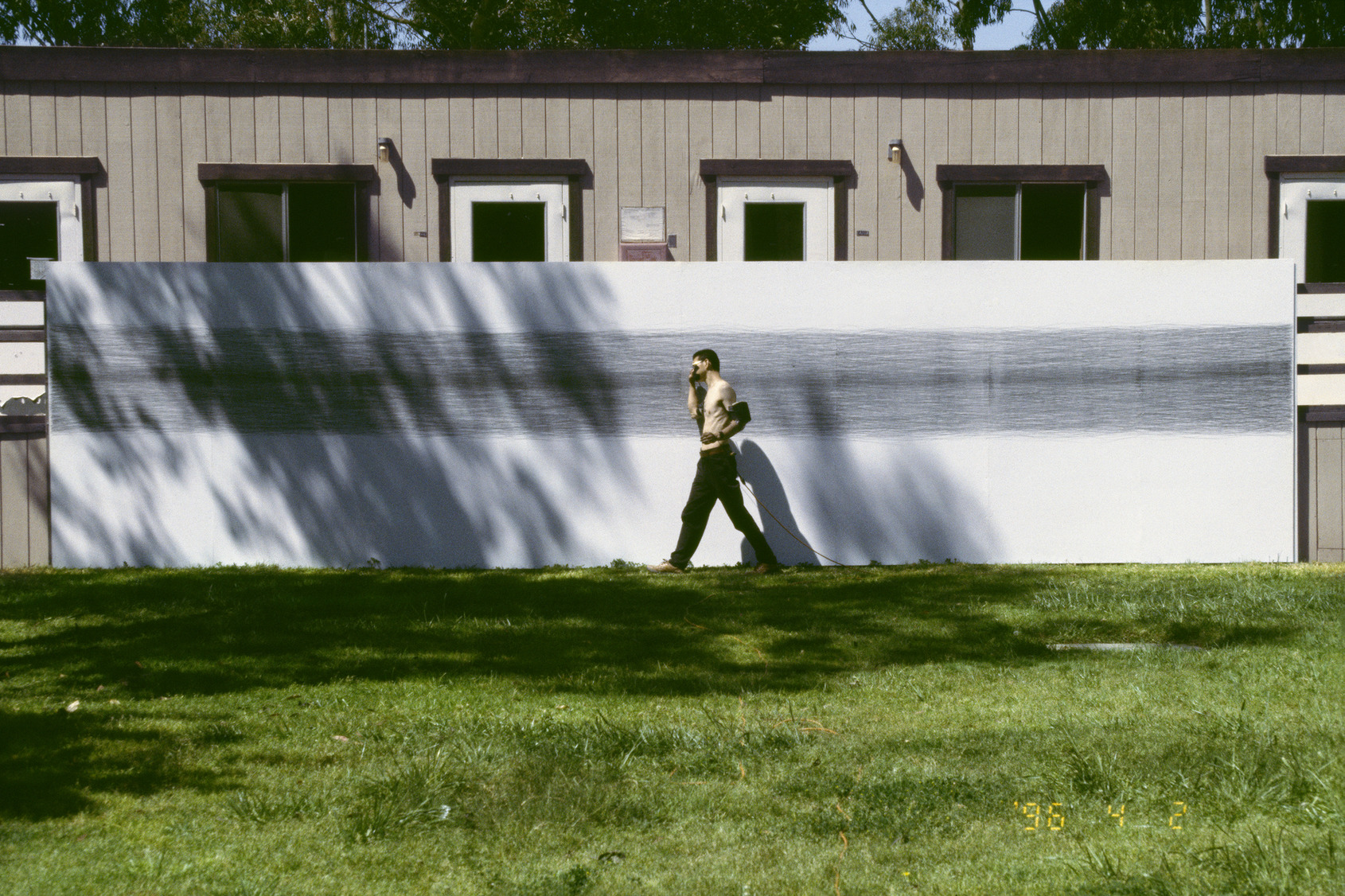
Shih Chin-Hua | Pencil Walker | Process Documentation | © Shih Chin-Hua
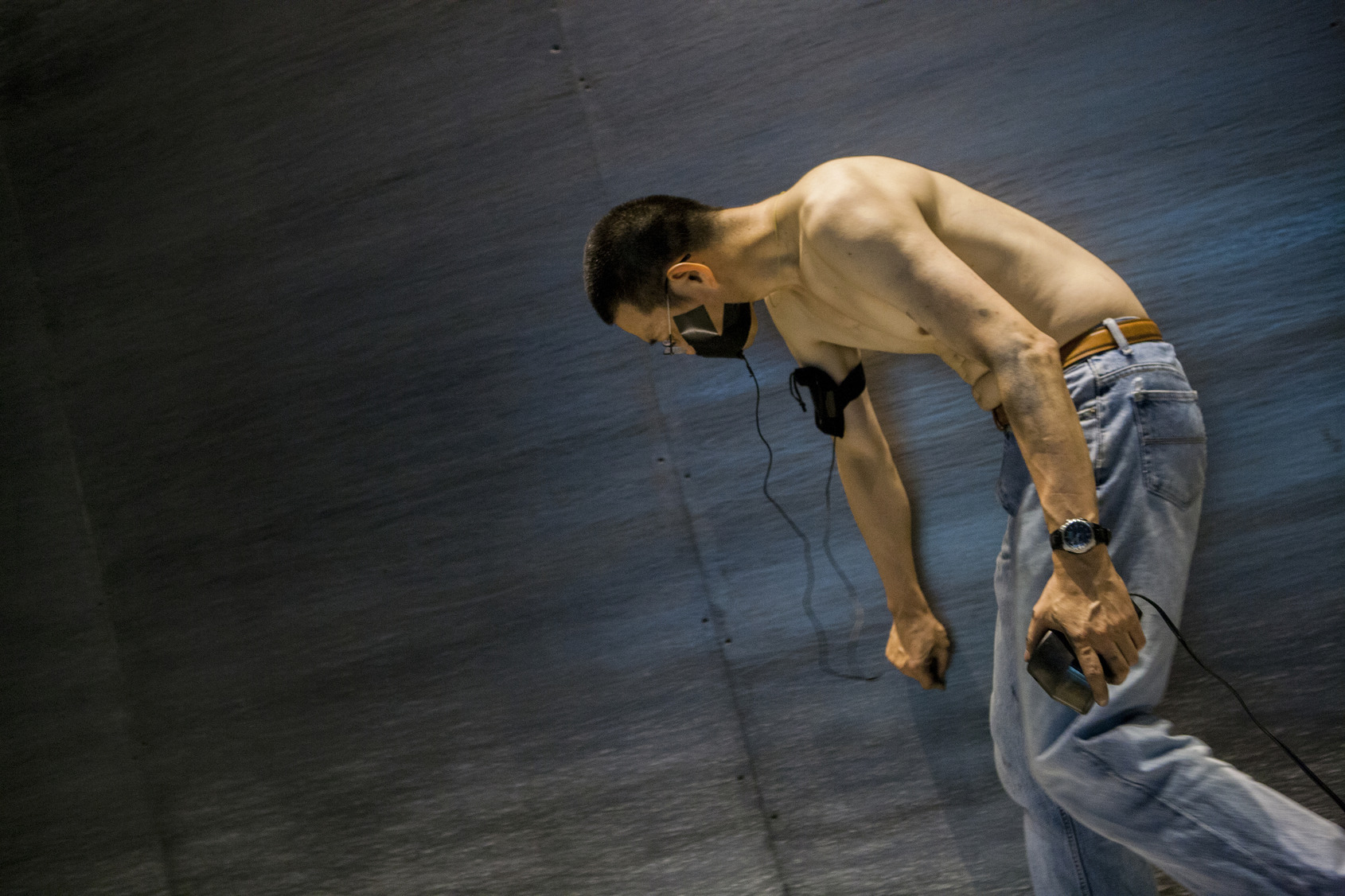
Shih Chin-Hua | Pencil Walker | Process Documentation | © Shih Chin-Hua
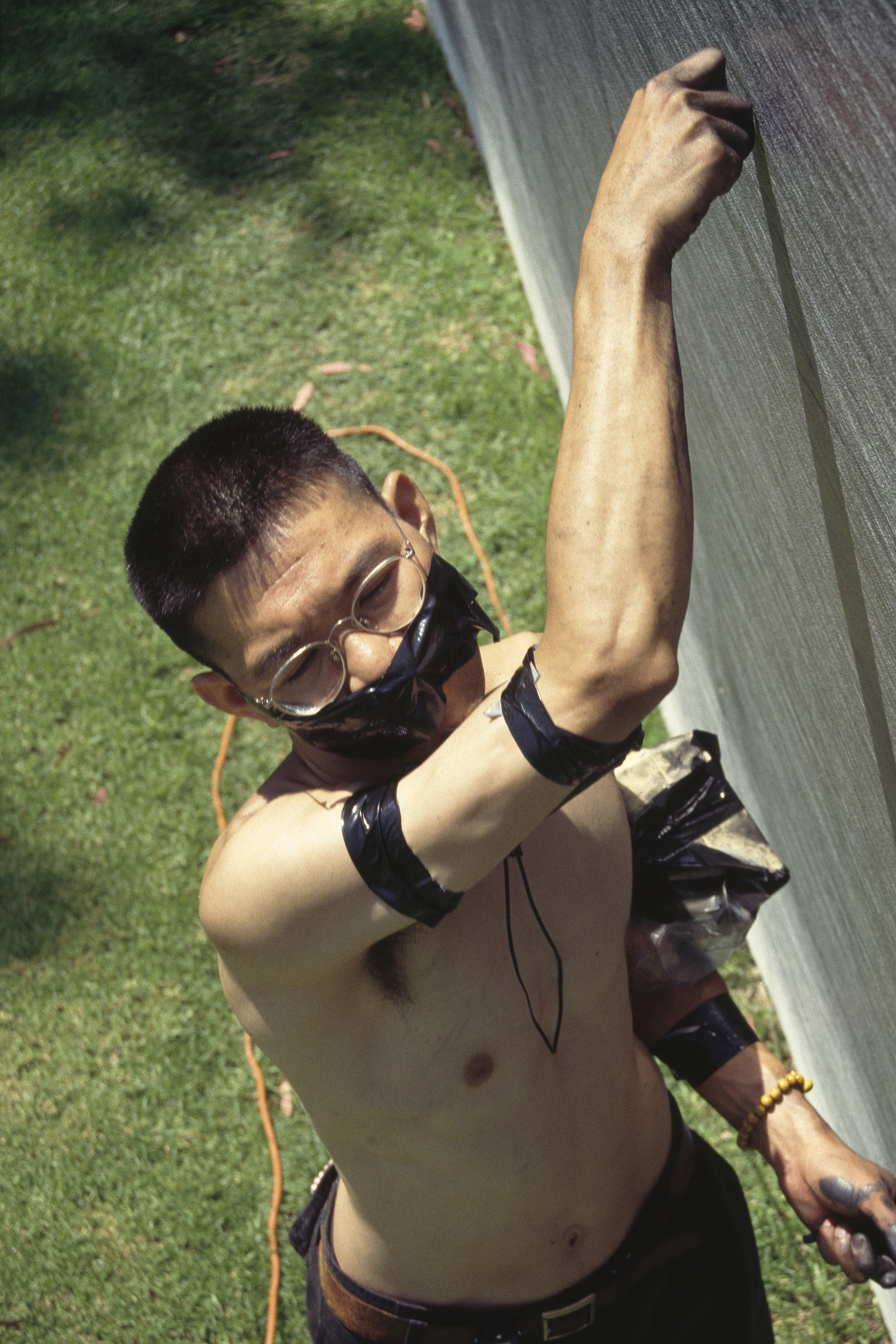
Shih Chin-Hua | Pencil Walker | Process Documentation | © Shih Chin-Hua
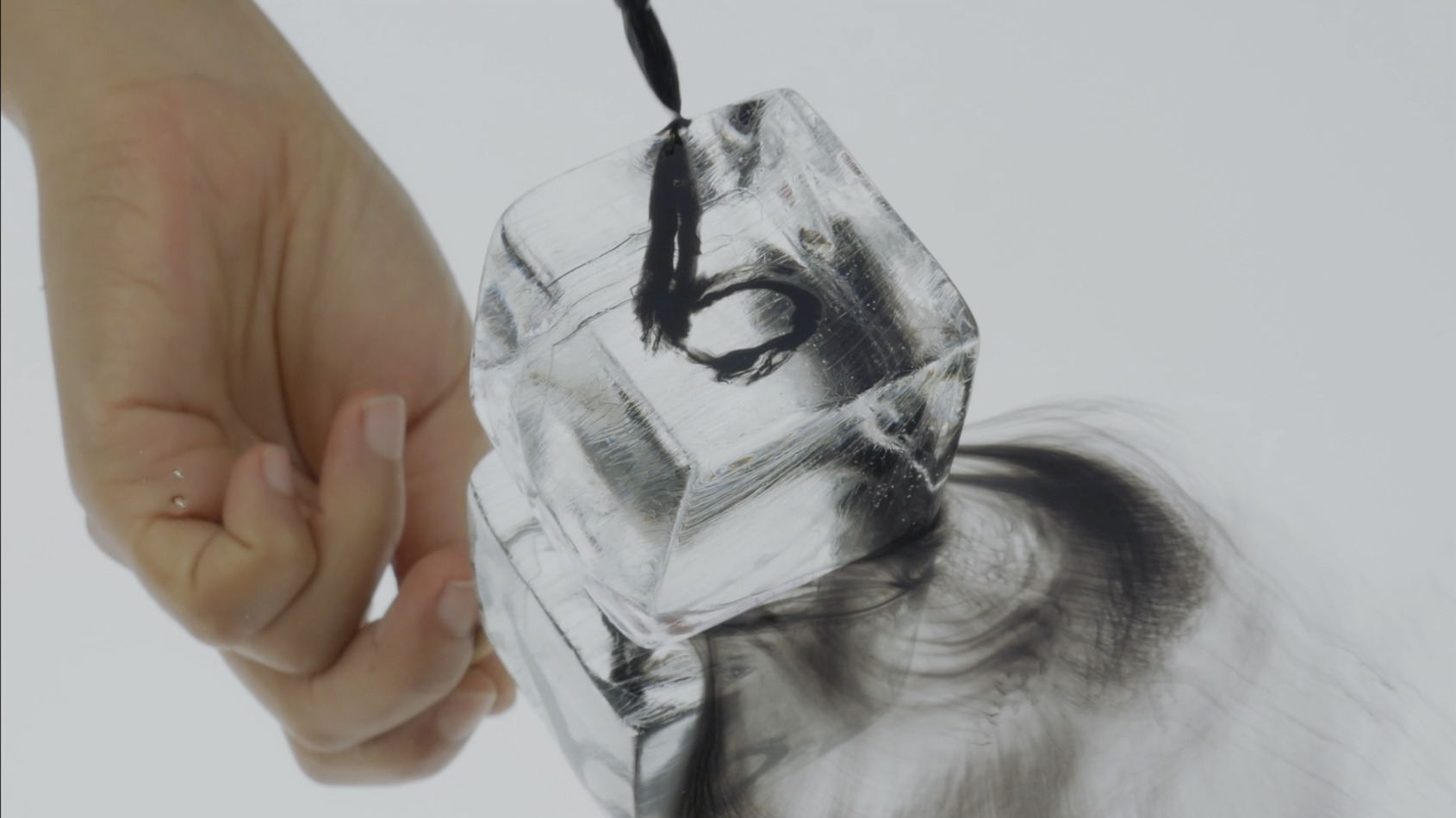
Charwei Tsai|Numbers|Video Still|© Charwei Tsai
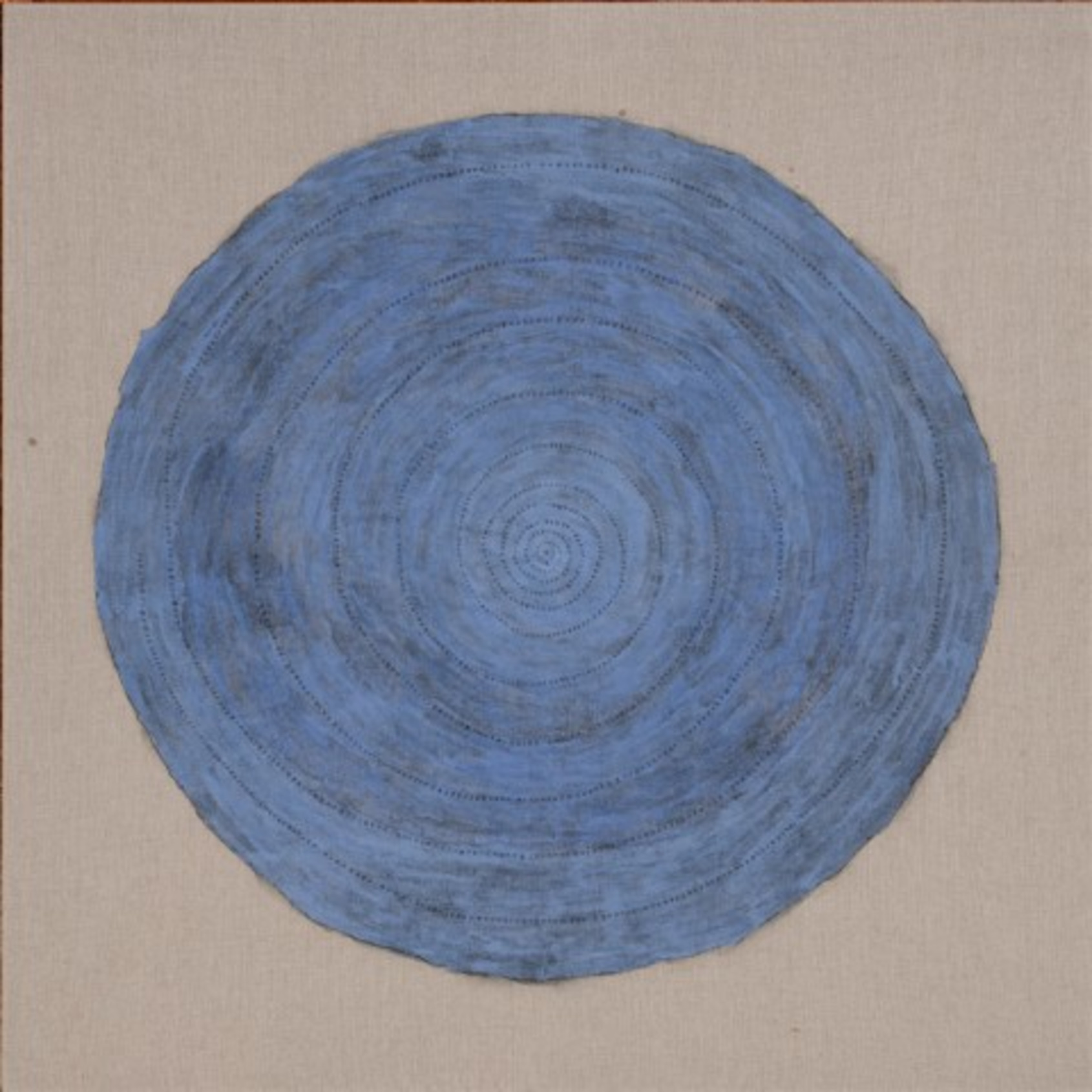
Charwei Tsai|With as many bodies as there are atoms in the realms|2025|Lapis lazuli, watercolor and ink on linen|91 x 181 cm|© Charwei Tsai
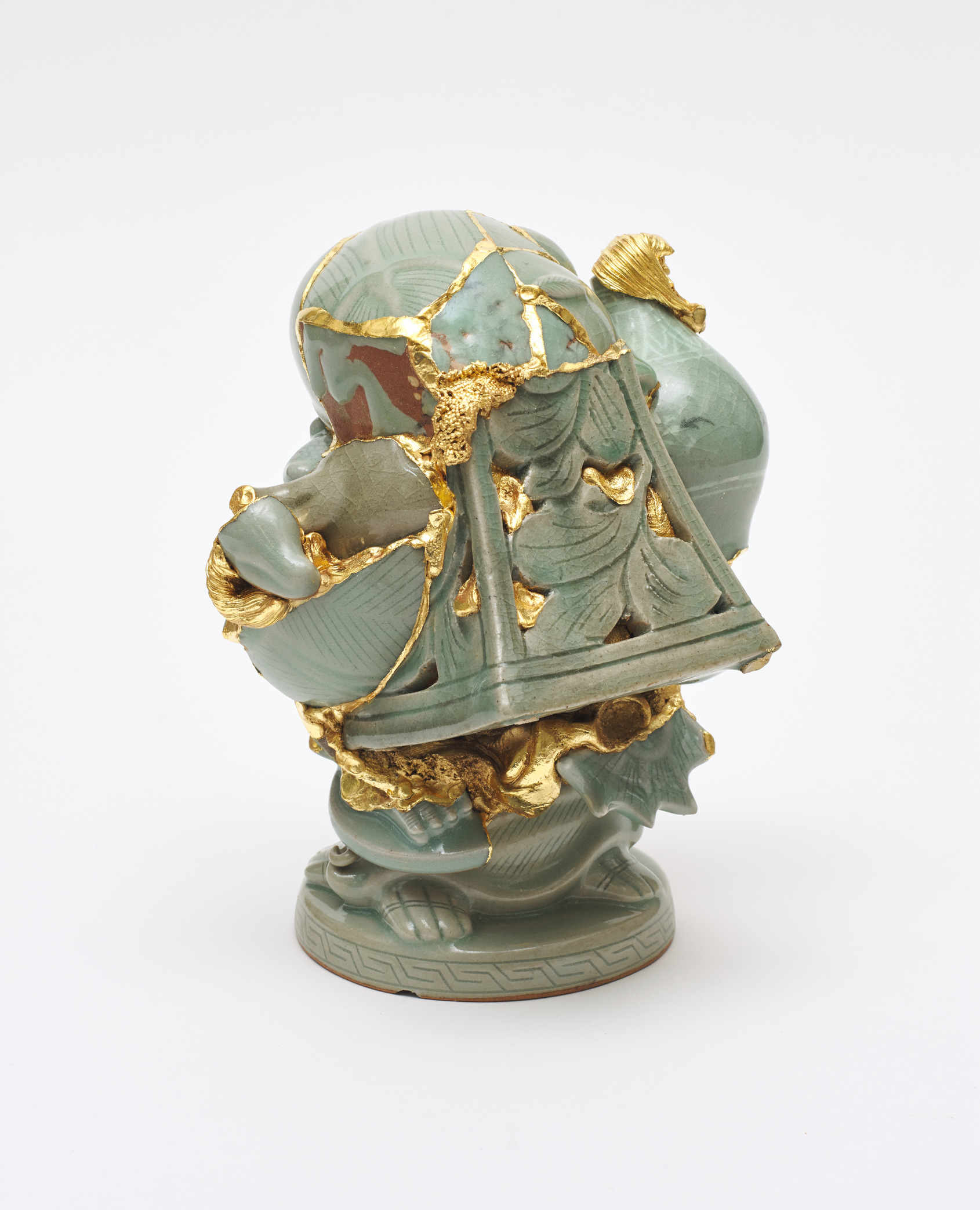
Yeesookyung|Translated Vase TVG 32|2020|Ceramicshards, epoxy,24k gold leaf|24 x 18 x 17 cm|© Yeesookyung
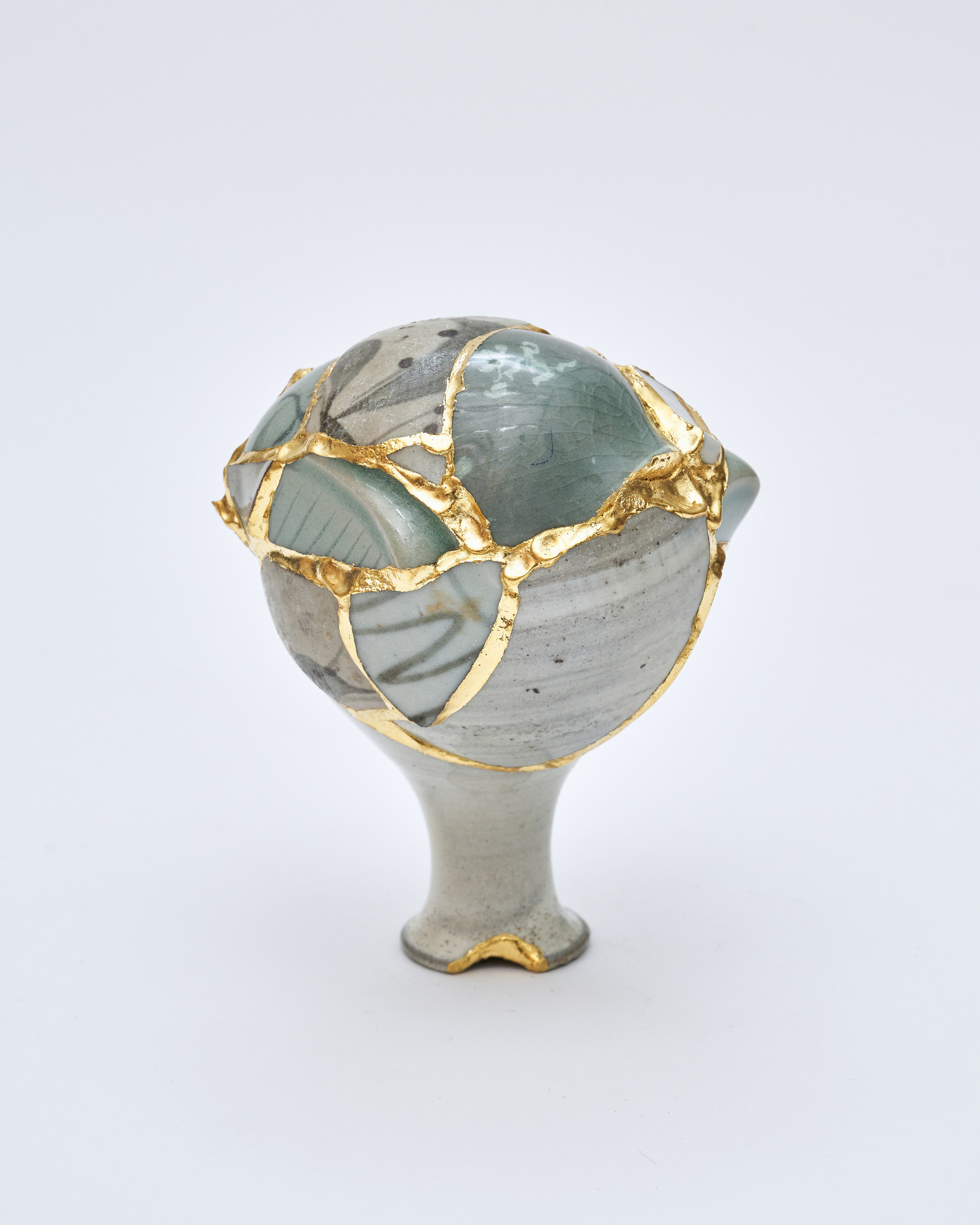
Yeesookyung|Translated Vase TVGW 17|2023|Ceramicshards, epoxy,24k gold leaf|13 x 10 x 9 cm|© Yeesookyung
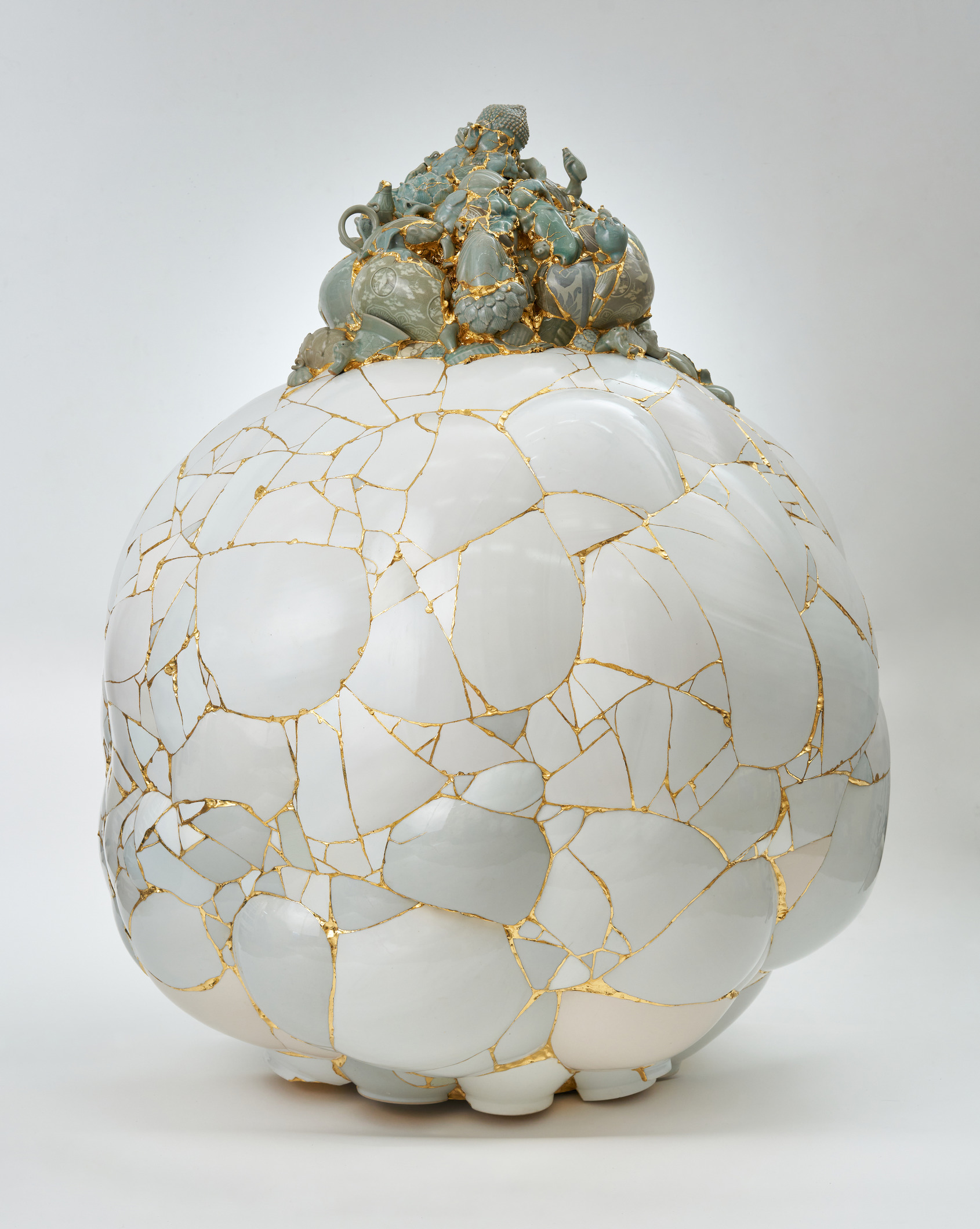
Yeesookyung|Translated Vase TVGW 2|2024|Ceramicshards, epoxy,24k gold leaf|144 x 120 x 115 cm|© Yeesookyung
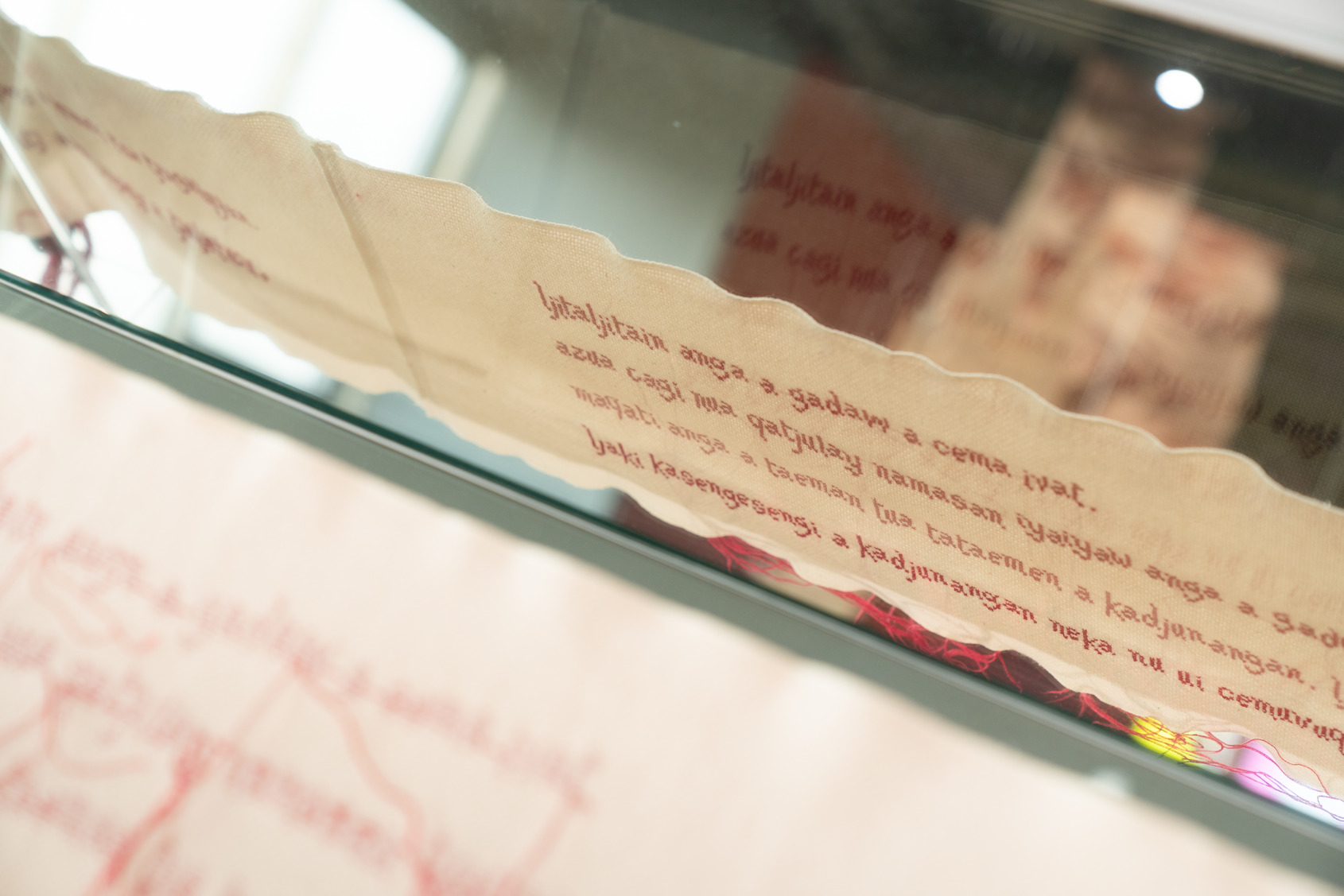
Chang En-Man|The Great Deluge: Oral History from Pacavalj|Site-specific Installation|Detail|© Chang En-Man
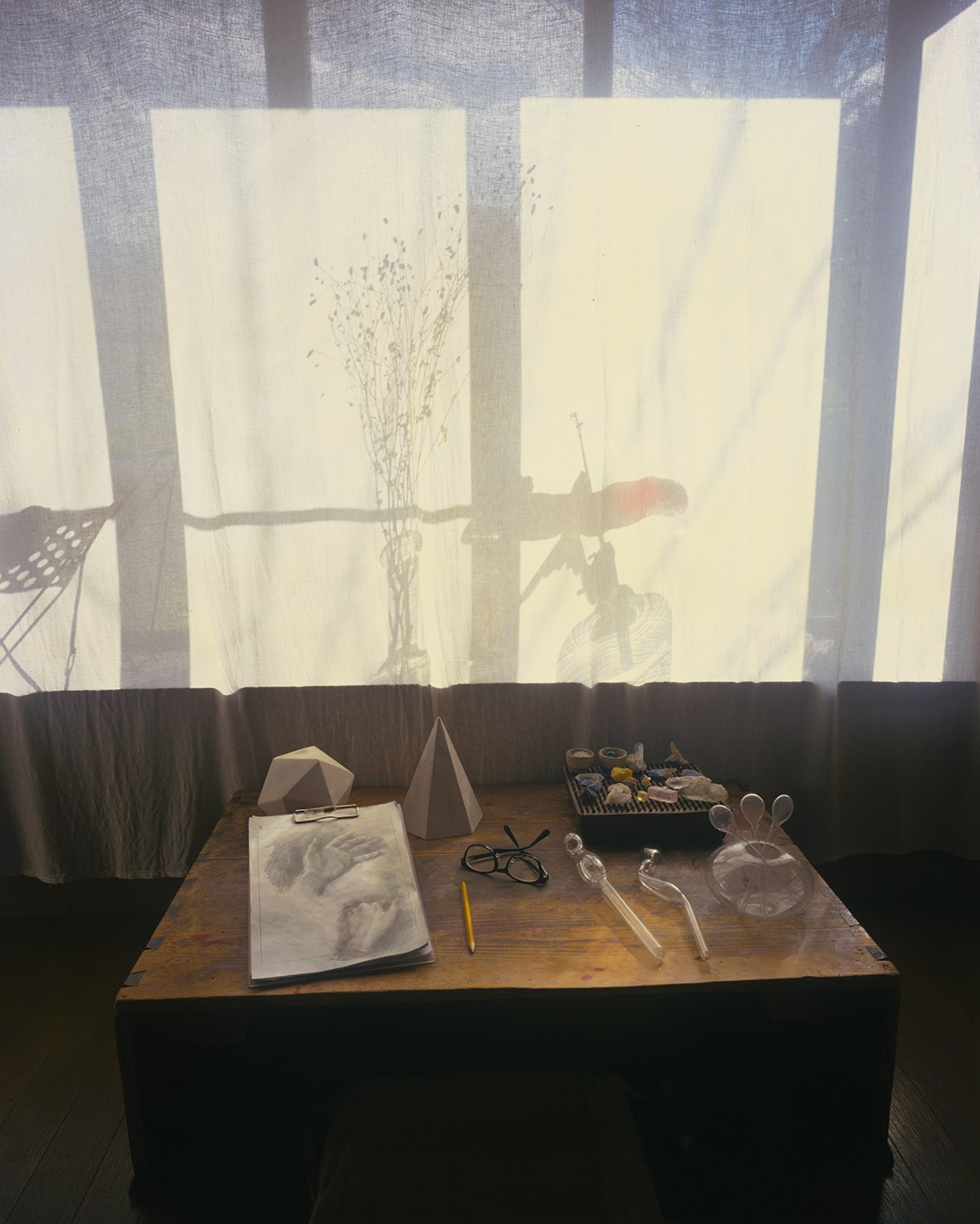
Yeh Wei-Li|Echo’s Hands | Gunma Prefecture, Japan|2023|Giclee Print on Canson Baryta Prestige, 340gsm + Acrylic face-mounted print|116cm x 146cm|© Yeh Wei-Li
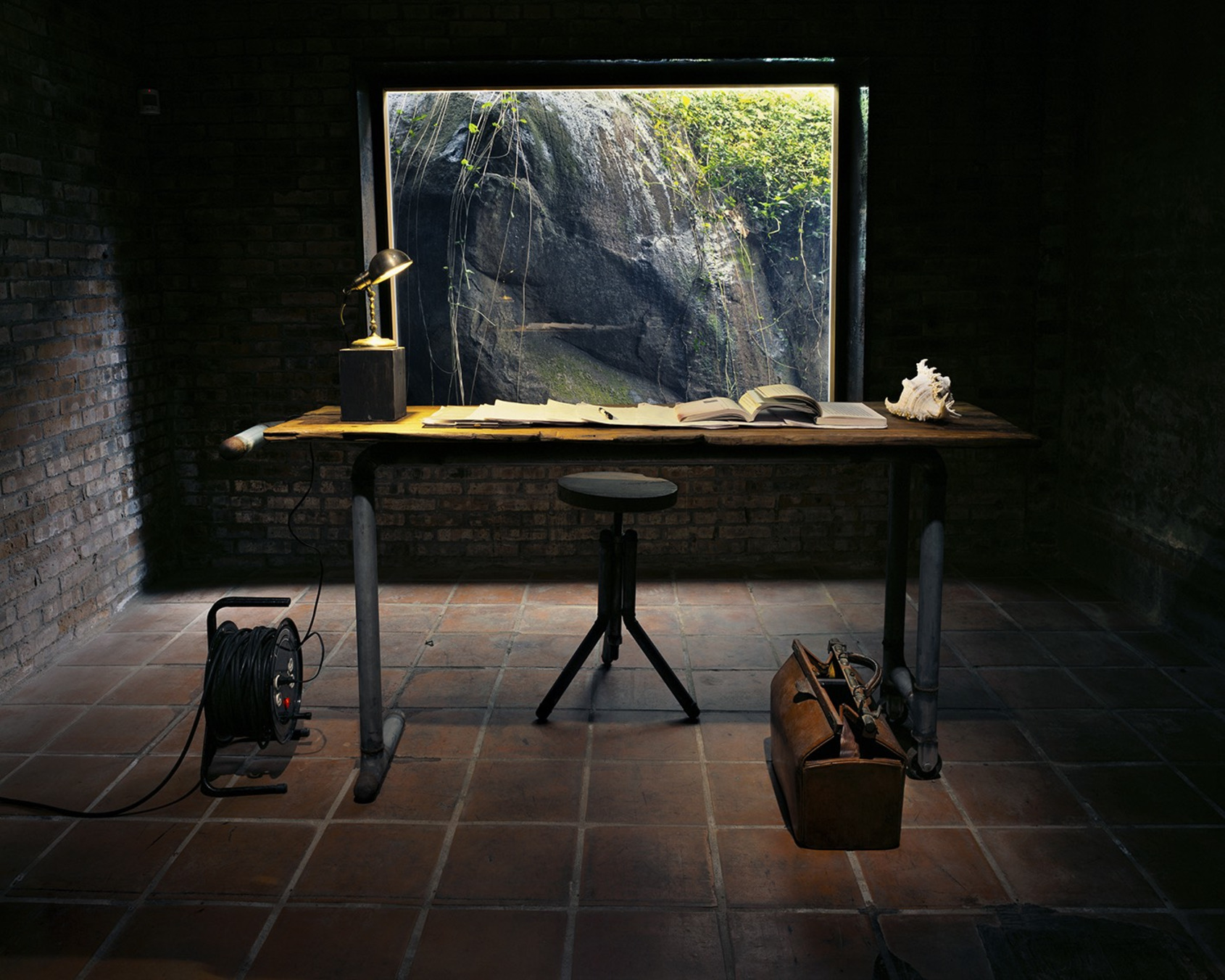
Yeh Wei-Li|Suitcase | Shuinandong, Ruifang|2024|Giclee Print on Canson Baryta Prestige, 340gsm + Acrylic face-mounted print|116cm x 146cm|© Yeh Wei-Li