
Yeesookyung
“I fabricate new narratives with the broken pieces.”
Yeesookyung was born and is based in Seoul. Working across installation, sculpture, video, painting, and performance, she has continuously expanded her artistic language through a practice rich in narrative imagination. Her work engages with fundamental questions of human existence, moving between past and present, life and death, reality and illusion, and the individual and the collective. At the same time, she reflects on the intersections and transformations that occur between different systems, cultures, and social structures. Drawing from personal experiences and traditional narratives, she gradually constructs an artistic universe that is both deeply intimate and collectively resonant.
In traditional Korean ceramic practice, vessels bearing even the slightest flaw are often deliberately shattered and discarded, leaving only those deemed perfect. In Yeesookyung’s Translated Vase series, the artist collects these rejected fragments and reassembles them into new forms. Rather than concealing the fractures, she traces and accentuates them with 24K gold leaf. In Korean, the words for crack and gold share the same pronunciation—geum (금). In her practice, what is restored from brokenness becomes more powerful than what was once whole.
The artist imagines these golden lines as calligraphic brushstrokes. Rather than predetermining the final form, she allows her hands to follow the edges of the fragments, responding to their contours as she works. This sense of immediacy and contingency recalls the vitality and spontaneity sought in calligraphy. Each line of gold moves across the surface like a stroke laid down between space and time; the fissures resemble the intervals between characters, carrying the rhythm of rupture and continuation. Through this process, the once-broken shards gradually take on forms that appear almost alive. For the artist, cracks are not merely traces of repair. They signify wounds, while also marking the new relationships formed through the interdependence of fragments.
Within the context of this exhibition, such acts of joining can be understood as a form of writing in which fracture becomes the brush and repair becomes its syntax. Rather than restoring an original wholeness, the artist composes new narratives between fragments, allowing each act of connection to function as a gesture of translation. The discarded remnants, once symbols of deficiency, are thus transformed into sites of unfinished possibility.
Charwei Tsai
“Why not transform the female body? All phenomena are likewise: neither present nor absent.”
Charwei Tsai’s practice is deeply informed by Buddhist philosophy, classical Eastern thought, and spiritual inquiry. She regards impermanence as a central condition that runs through both life and art. Centered on writing, materiality, and embodied practice, her work explores the continual transformation between the spiritual and the material. Writing functions not only as a carrier of language, but also as a means through which impermanence becomes perceptible, as texts are inscribed onto materials subject to natural change and decay. The act of transcription itself invites viewers into a contemplative process, encouraging reflection on the nature of existence and awareness.
In With as Many Bodies as There Are Atoms in the Realms, Tsai uses natural mineral pigments—including lapis lazuli, malachite, and cinnabar—to create circular compositions inscribed with passages from the Avatamsaka Sutra. Historically used in Buddhist murals along the Silk Road, these minerals carry traces of cultural transmission, while the circular form evokes cycles and wholeness. Dedicated to lives lost to pandemics and wars, the series reflects on coexistence and the interdependence of all beings.
Ancient Desires draws on Charwei Tsai’s memories of offering tables in 1980s Taiwan. For this site-specific installation at ALIEN Art Centre, vessels inscribed with the Heart Sutra are filled with clear water, transforming prayer into quiet reflection. Extending along the corridor, the water shifts with light, time, and its surroundings, keeping the work in a constant state of flux.
The Goddess series draws from passages of the Vimalakirti Sutra, particularly the dialogue surrounding the question, “Why not transform the female body?” This discussion has been regarded as one of the earliest articulations of gender equality within religious history. Tsai transcribes the sutra upon imagery of trees, allowing the text to appear as though growing among branches. In doing so, the work points toward the fundamental non-differentiation of life, while loosening socially imposed classifications and gendered labels. Within this series, trees function both as symbols of living organisms and as forms of ongoing transformation. The repeated act of transcription leaves traces of bodily labor and time, forming an extended spiritual practice. Integrating long-term Buddhist cultivation with humanistic concerns, the works move beyond symbolic representation to engage deeper reflections on equality and coexistence.
Numbers was created in 2020 for the Green Island Human Rights Art Festival. In this work, numbers are written upon melting blocks of ice, symbolizing how, during authoritarian rule, personal names and identities were reduced to impersonal codes and numbers. Individual existence was simplified into marks that could be administered and erased. As the ice gradually melts, the numbers blur and dissolve within moisture and time, transforming writing from a stable record into a vanishing trace. The melting ice not only signifies the fragility of life, but also suggests the transformation of memory and history through time. As viewers witness the slow dissolution of the ice, they are drawn into a shared duration of waiting, allowing the work to look back upon the traumas of authoritarian history while also pointing toward the possibility of reconciliation and transcendence through remembrance.
Chang En-Man
“Writing flows between different languages and forms; through acts of translation, legends endure.”
Chang En-Man was born in Taitung and is of Paiwan heritage through her mother. Her practice has long focused on the position of Indigenous peoples within contemporary society. Grounded in collective memory and historical narratives, she revisits experiences that have been overlooked or insufficiently recorded, while seeking ways of seeing and understanding the world beyond established systems of knowledge and language. In her work, images, objects, and handcrafted materials often serve as vehicles through which memory is reactivated, allowing art to function not only as a reflection on history, but also as a response to present realities.
When histories are absorbed into dominant systems of writing, a process of estrangement/alienation often begins at the very moment they are fixed into textual form. The Romanized script adopted in Chang En-Man’s large-scale embroideries originates from the 1935 colonial publication The Myths and Traditions of the Formosan Native Tribes: Texts and Notes. Compiled by linguists using phonetic transcription alongside Japanese annotations, this document records the Pacavalj origin myth— narrating the rebirth of life through the union of siblings after a great flood. At the same time, however, it translated memories that once belonged to oral tribal traditions into the linguistic and cultural coordinates of an external authority.
In response to this historical record, Chang En-Man employs embroidery as an alternative mode of writing. Replacing brush and ink with lines of stitching passed down through generations, she transforms a legend once defined by external systems into a route that can be repeatedly enacted through the body. In contrast to the rigidity and fixity of official archives, the narrative of embroidery unfolds slowly and continuously. The piercing and stitching of the needle across the textile surface functions like a renewed inscription upon existing historical texts. Through embroidery, the artist positions the fabric as a site capable of bearing history, allowing the legend to return from written documentation to the realm between body and land. Within the repeated crossings of the stitched line, a space of subjectivity gradually emerges, enabling memory to continue flowing in another form.
Yeesookyung|Translated Vase TVGW 3|2024|Ceramicshards, epoxy,24k gold leaf|143 x 127 x 121 cm|© Yeesookyung
Yeesookyung|Translated Vase TVGW 15|2023|Ceramicshards, epoxy,24k gold leaf|11 x 14 x 14 cm|© Yeesookyung
Yeesookyung|Translated Vase TVGW 17|2023|Ceramicshards, epoxy,24k gold leaf|13 x 10 x 9 cm|© Yeesookyung
Charwei Tsai|Numbers|Video Still|© Charwei Tsai
Charwei Tsai|The Goddess - Neither Constructional Thought Nor Discrimination|2018|Watercolor & Ink on Rice Paper|97 x 181 cm|© Charwei Tsai
Chang En-Man|The Great Deluge: Oral History from Pacavalj|Site-specific Installation|Detail|© Chang En-Man
Chang En-Man|The Great Deluge: Oral History from Pacavalj|Site-specific Installation|Detail|© Chang En-Man
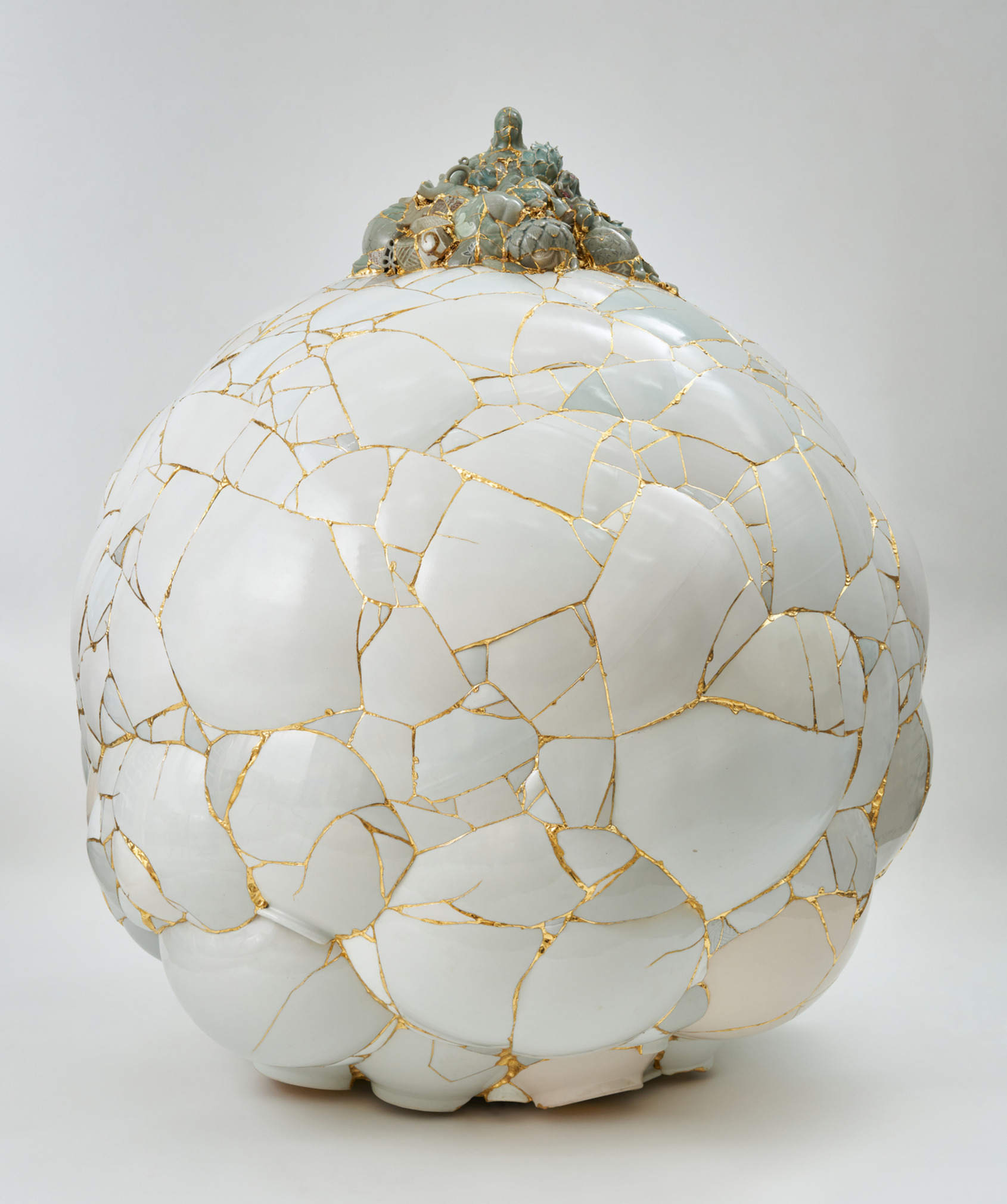
Yeesookyung|Translated Vase TVGW 3|2024|Ceramicshards, epoxy,24k gold leaf|143 x 127 x 121 cm|© Yeesookyung
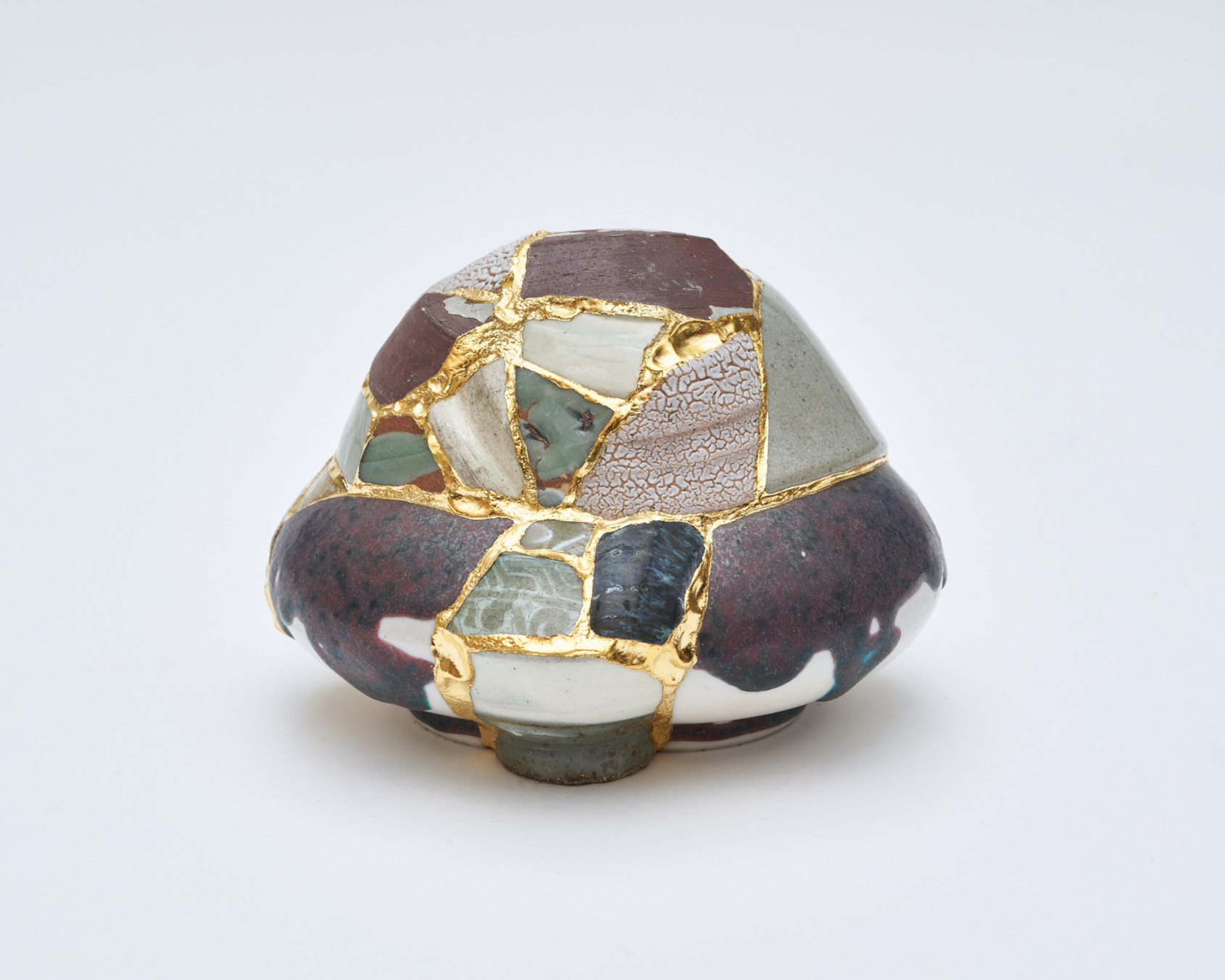
Yeesookyung|Translated Vase TVGW 15|2023|Ceramicshards, epoxy,24k gold leaf|11 x 14 x 14 cm|© Yeesookyung
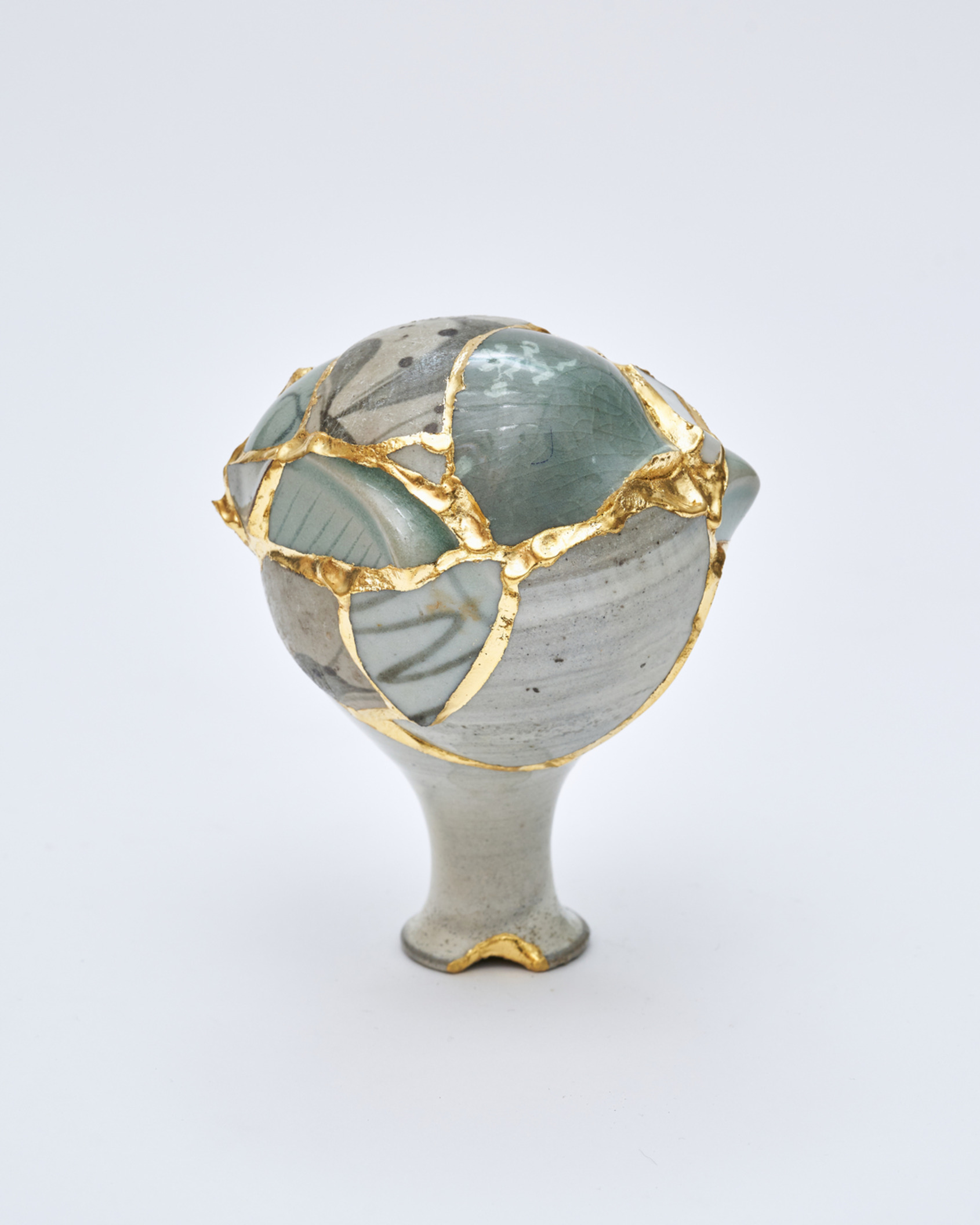
Yeesookyung|Translated Vase TVGW 17|2023|Ceramicshards, epoxy,24k gold leaf|13 x 10 x 9 cm|© Yeesookyung
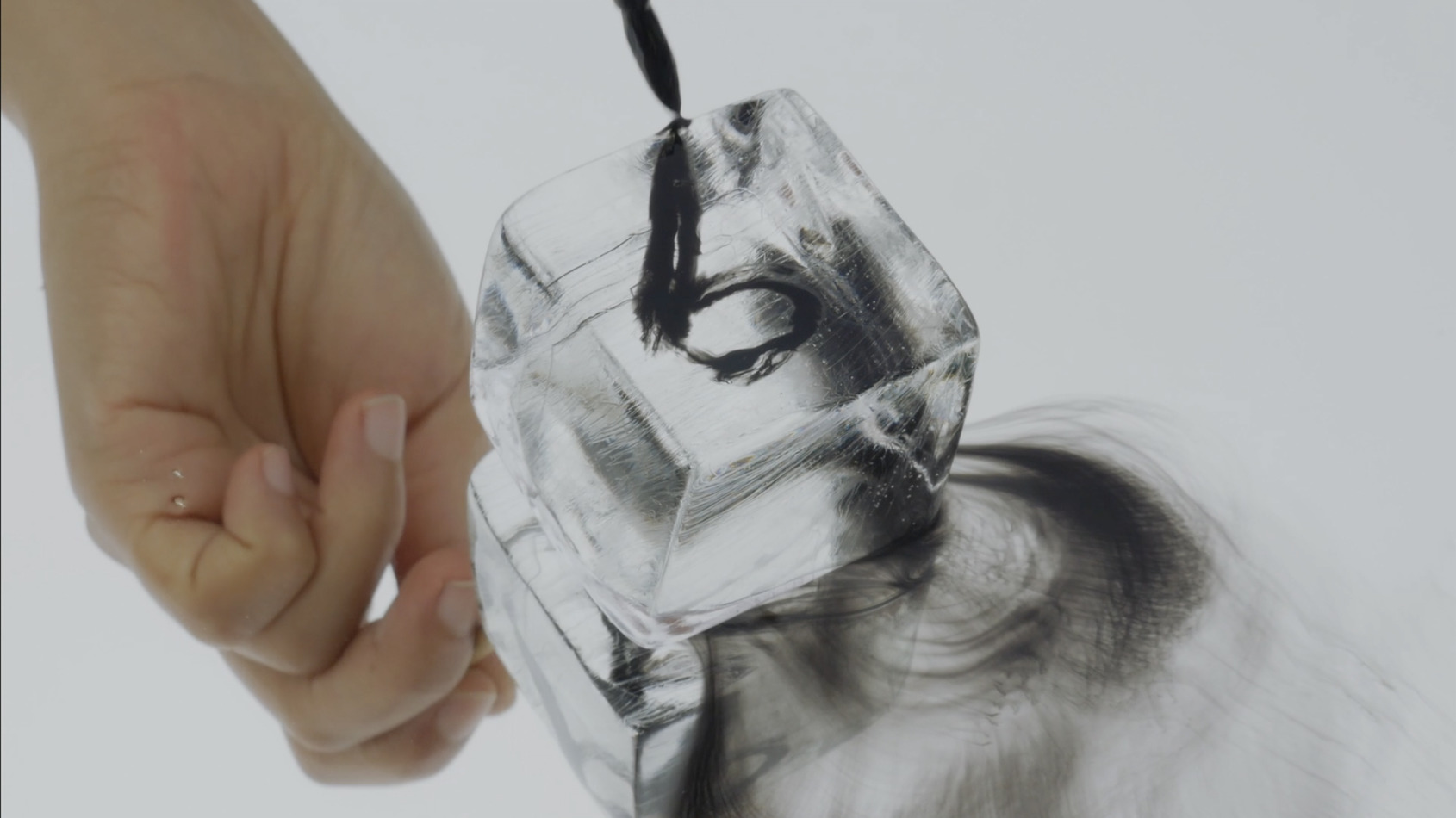
Charwei Tsai|Numbers|Video Still|© Charwei Tsai
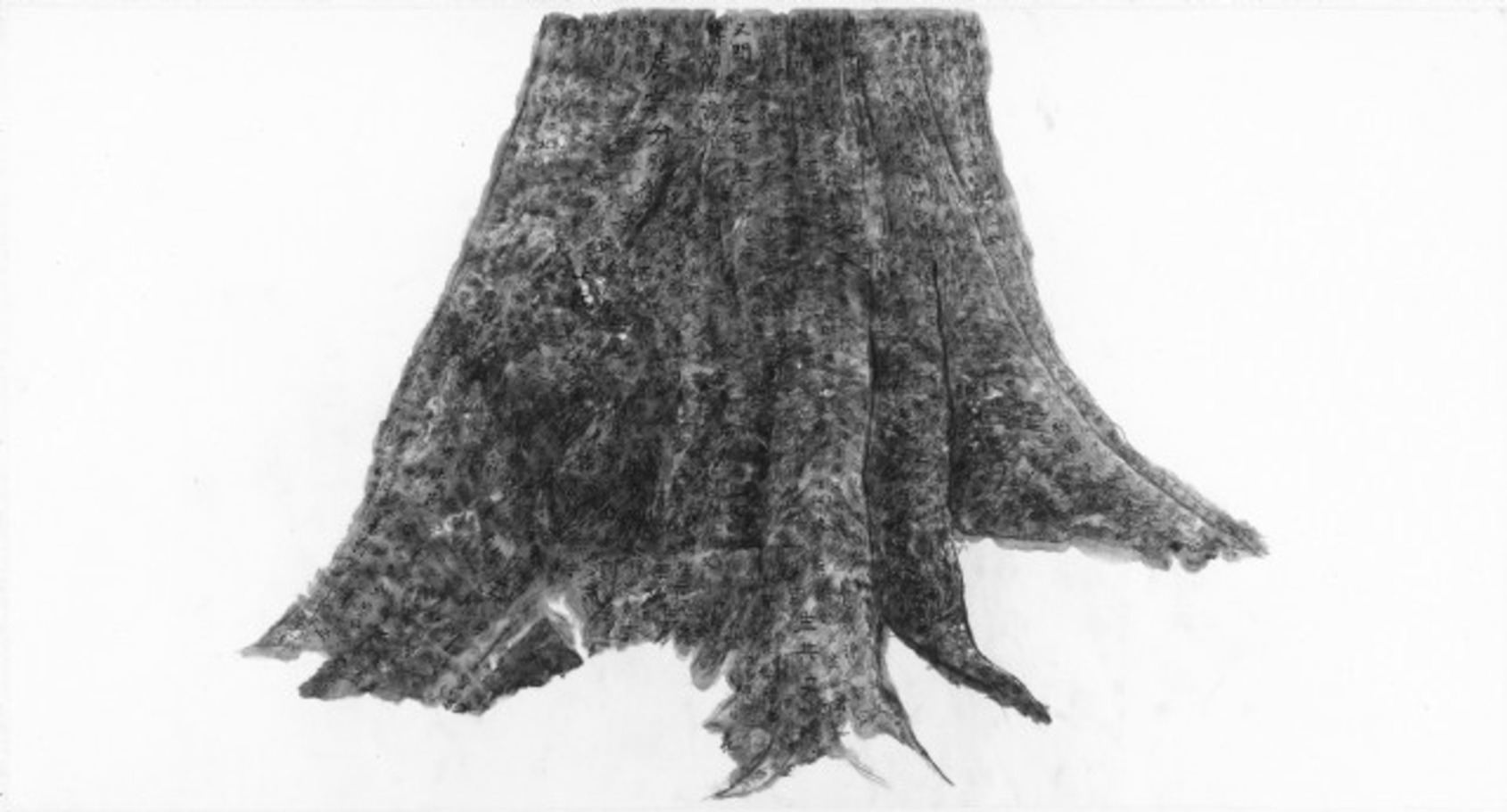
Charwei Tsai|The Goddess - Neither Constructional Thought Nor Discrimination|2018|Watercolor & Ink on Rice Paper|97 x 181 cm|© Charwei Tsai
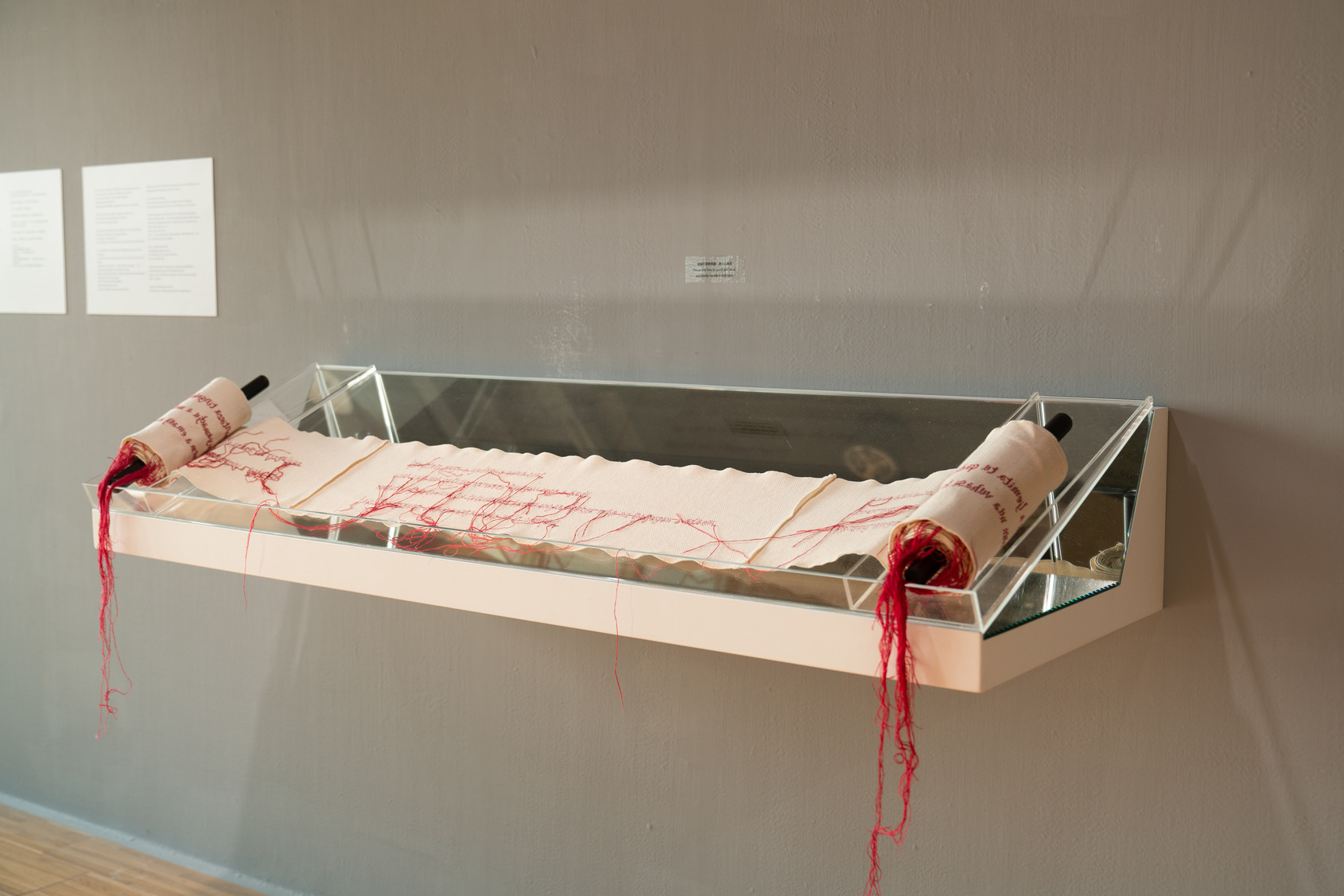
Chang En-Man|The Great Deluge: Oral History from Pacavalj|Site-specific Installation|Detail|© Chang En-Man
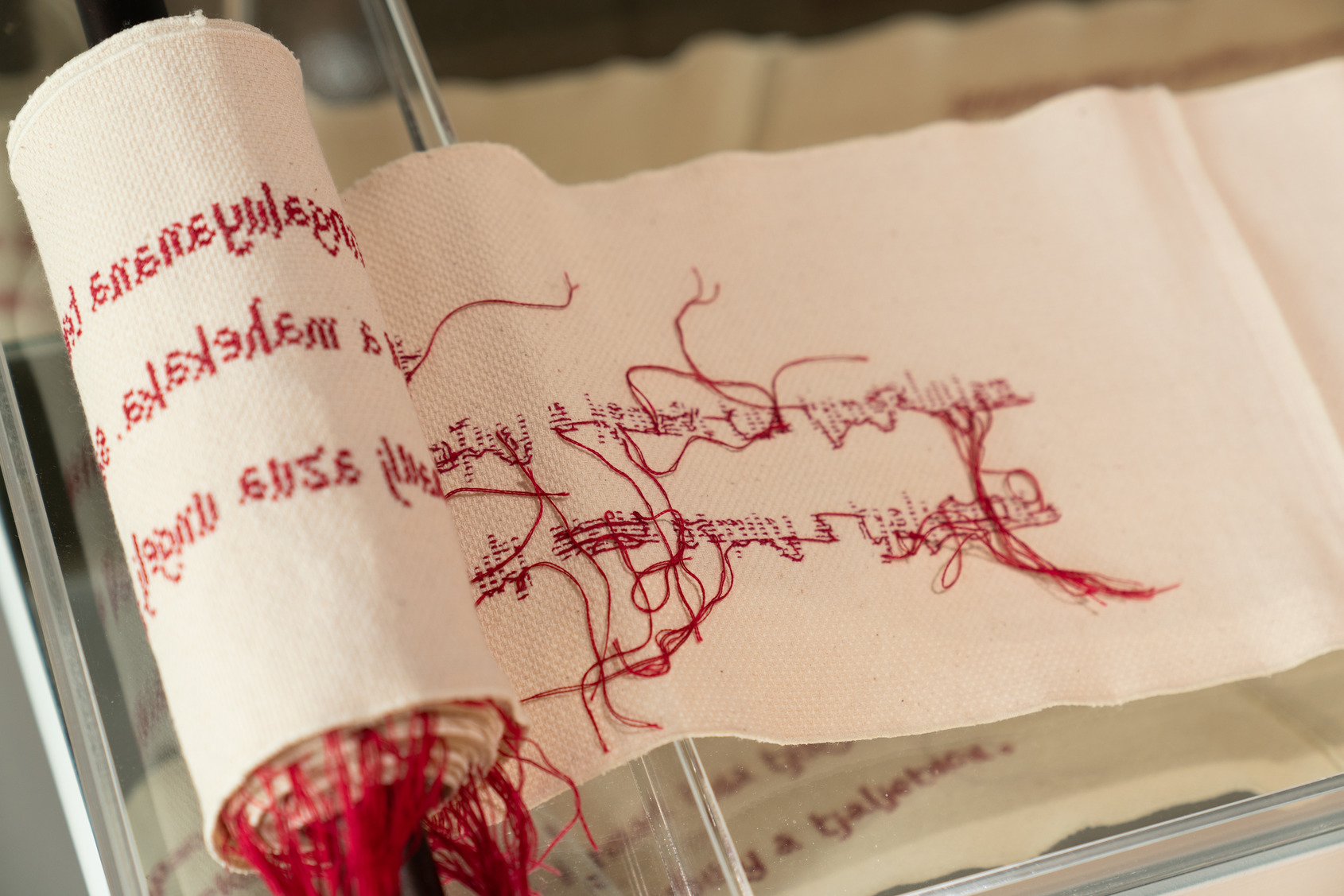
Chang En-Man|The Great Deluge: Oral History from Pacavalj|Site-specific Installation|Detail|© Chang En-Man