
The Gesture of Being
This exhibition seeks to reconsider the meaning of “writing-ness,” and to explore how writing might extend beyond text, information, and visual representation.
In his discussion of the work of Cy Twombly, Roland Barthes introduced the concept of the gesture, suggesting that what writing reveals is not the final text, but the resonance and trace left behind by an action.
Drawing on Barthes’ notion of the gesture, The Gesture of Being brings together the works of five artists to explore writing as an act. Through the intervention of the hand, the body, and material processes, time, memory, and repetitive labor are inscribed across different media and sites.
Here, writing is no longer confined to language or form, but becomes an ongoing process of becoming. It is both an individual experience and something that is repeated, displaced, and accumulated across different contexts, forming layered trajectories of existence. What writing leaves behind is not merely a mark, but a trace of being unfolding through time.
Yeh Wei-Li
With the passing of the years, each neighbourhood, each street in a city evokes a memory, a meeting, a regret, a moment of happiness for those who were born there and have lived there. Often the same street is tied up with successive memories, to the extent that the topography of a city becomes your whole life, called to mind in successive layers as if you could decipher the writings superimposed on a palimpsest.
-Patrick Modiano
Yeh Wei-Li works primarily with photography, often centering his practice on the exploration of locality. Through prolonged periods of observation and engagement, he moves beyond the role of a temporary visitor, entering a place through sustained bodily labor and lived experience. His works seek to uncover the distinctive contexts embedded within a site, tracing residual histories and revealing the subtle connections between individual lives and place.
Literature frequently serves as a catalyst for Yeh’s engagement with space. Through reading, he establishes relationships with particular locations, translating his encounters with texts into images and weaving an additional layer of memory onto the landscape.
The five photographic works presented in the gallery are selected from Yeh Wei-Li’s Beitou Palimpsest series. The series originated in 2024, when the artist was invited by the Hong-gah Museum to undertake a project exploring the locality of Beitou.
Taking literature as its point of departure, Beitou Palimpsest explores how the character of a place might be rendered through images. At the museum’s suggestion, Yeh selected Hao Yuxiang’s autobiographical essay Hot Springs Wash Away Our Sorrows, together with Old Stories of the Northern City, as textual references to which he responded through photography. Through this process, he sought to connect the shared and divergent experiences of writer and reader, gradually developing a narrative structure through which the idea of “place” could emerge.
Here, photography functions as a palimpsestic response to the texts. The scenes depicted extend from Shuimandong, where Yeh resides, to Gunma Prefecture in Japan. Moving across distinct geographical and cultural contexts, the artist identifies visual situations that resonate with those described in Hao’s writing, allowing different layers of memory to intersect and overlap. Among the works, An-Chan and Suitcase correspond to narrative moments and atmospheric details within the text, while My Neighborhood, Echo’s Hand, and Why Do “Jao” and “Wo” Look So Similar? reflect the artist’s position as a reader. They reveal how his own sense of time and lived experience respond to the texts, transforming reading into a renewed act of writing.
Through this process, the artist gradually came to understand locality itself as a palimpsest—a layered accumulation of memories overlapping across time. It possesses no fixed form; rather, it is continuously reshaped and regenerated through repeated acts of reading, remembering, and representation, unfolding through deviation, imagination, and expectation.
Shi Jin-Hua
“If a pencil could be a person’s entire life, then in the long cycle of birth and death, what kind of life-line have I repeatedly walked?”
— Shi Jin-Hua
Shi Jin-Hua (1964–2024) was born in Penghu, Taiwan, and is regarded as one of Taiwan’s most significant conceptual and performance artists. Diagnosed with diabetes at the age of seventeen, he spent the rest of his life measuring blood sugar levels and administering daily insulin injections. Living with chronic illness for decades, acts of measurement, repetition, and disciplined ritual became central elements of his artistic practice, reflecting an ongoing inquiry into the nature of existence. Buddhist thought also profoundly shaped his work. The suffering of the body, experienced as a form of confinement, was transformed through spiritual reflection and ultimately rearticulated through the language of conceptual and performance art.
In the Pen Walking series, Shi Jin-Hua repeatedly drew lines across paper with pens and pencils until each was entirely exhausted, sometimes completing the work by adhering the pencil shavings onto the surface. This methodology originated in 1994 while he was studying in the United States: while journaling, he noticed a pen that had accompanied him for years was nearing its end. He took a sheet of paper and drew irregular lines until the pen’s life was spent. Pen Walking #1 marked the inception of the Pen Walking series and established his lifelong practice—the total consumption of a writing instrument upon a single plane as a metaphor for a span of existence.
In Pencil Walker, Shi Jin-Hua held a pencil and walked repeatedly along a wall, drawing lines through the movement of his body. Each session followed strict regulations regarding spatial range and duration. During each session, he walked while chanting, periodically sharpening the pencil with a sharpener fixed to his arm. Each walk lasted two hours and fifteen minutes; over a period of twenty years, he completed sixty such walks.
For Shi Jin-Hua, walking was a form of writing. The body became a tool, and the artist appeared as a kind of pilgrim, leaving traces through the repeated labor of the body—inscribing the expenditure of life and the near-futile condition of human existence. The layered accumulation of dense graphite marks across the monumental wall visualizes the intensity borne by his will and physical endurance. These marks articulate his persistent questioning of life and existence, turning walking and writing into acts of reflection and disciplined practice. What ultimately remains is the trace of his presence within each moment of focused attention.
Shi also habitually produced documentary records of his conceptual and performance-based works, preserving their processes through photographs, videos, and other visual materials. These records provide future viewers with traces of the original actions and intentions from which the works emerged.
Yeh Wei-Li|Suitcase | Shuinandong, Ruifang|2024|Giclee Print on Canson Baryta Prestige, 340gsm + Acrylic face-mounted print|116cm x 146cm|© Yeh Wei-Li
Yeh Wei-Li|An-Chan | Gunma Prefecture, Japan|2023|Giclee Print on Canson Baryta Prestige, 340gsm + Acrylic face-mounted print|116cm x 146cm|© Yeh Wei-Li
Yeh Wei-Li|Why Does “Jao” & “Wo” Look So Similar | Shalun, Damshui|2024|Giclee Print on Canson Baryta Prestige, 340gsm + Acrylic face-mounted print|116cm x 146cm|© Yeh Wei-Li
Shih Chin-Hua | Pencil Walker | Process Documentation | © Shih Chin-Hua
Shih Chin-Hua | Pencil Walker | Process Documentation | © Shih Chin-Hua
Shih Chin-Hua | Pencil Walker | Process Documentation | © Shih Chin-Hua
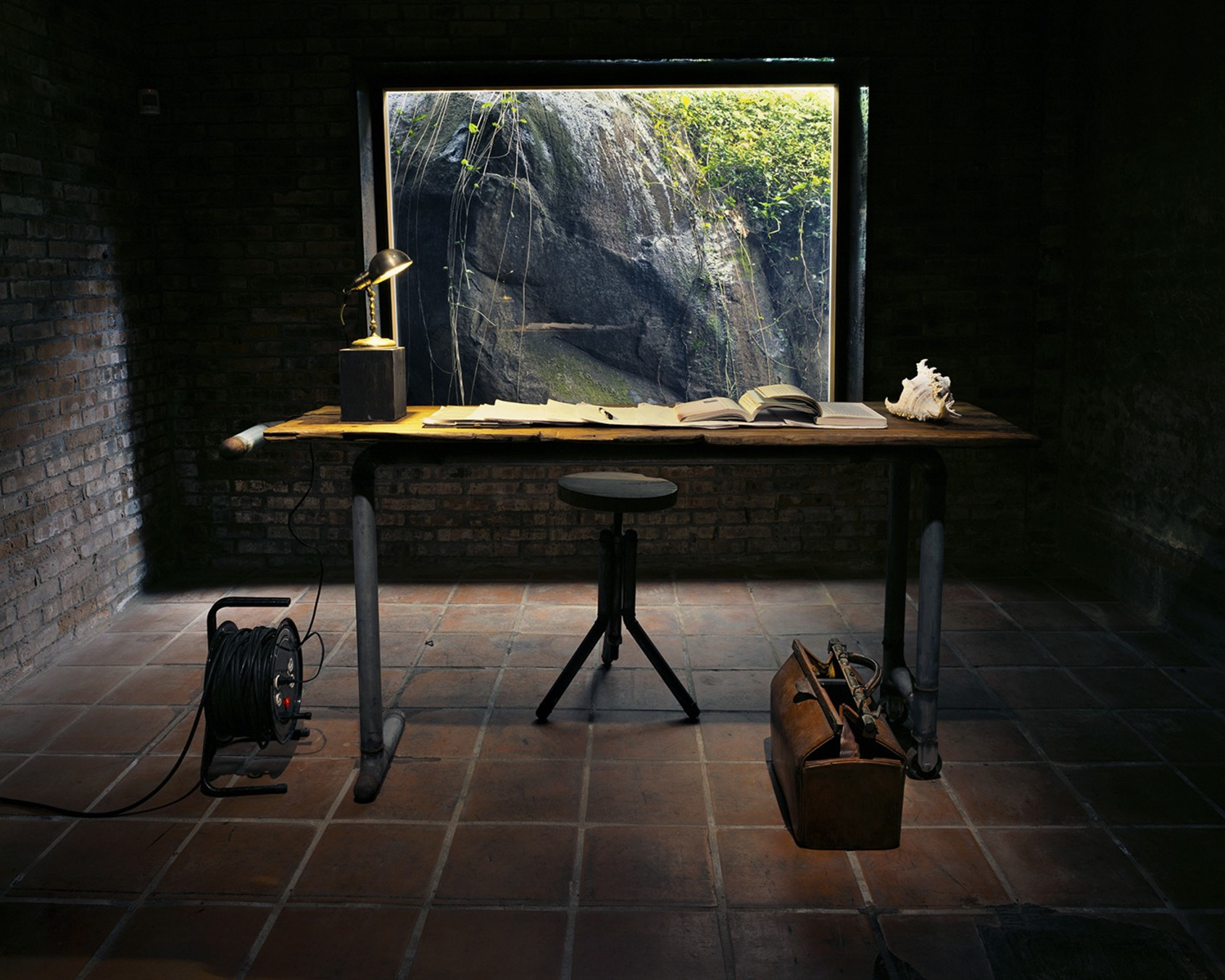
Yeh Wei-Li|Suitcase | Shuinandong, Ruifang|2024|Giclee Print on Canson Baryta Prestige, 340gsm + Acrylic face-mounted print|116cm x 146cm|© Yeh Wei-Li
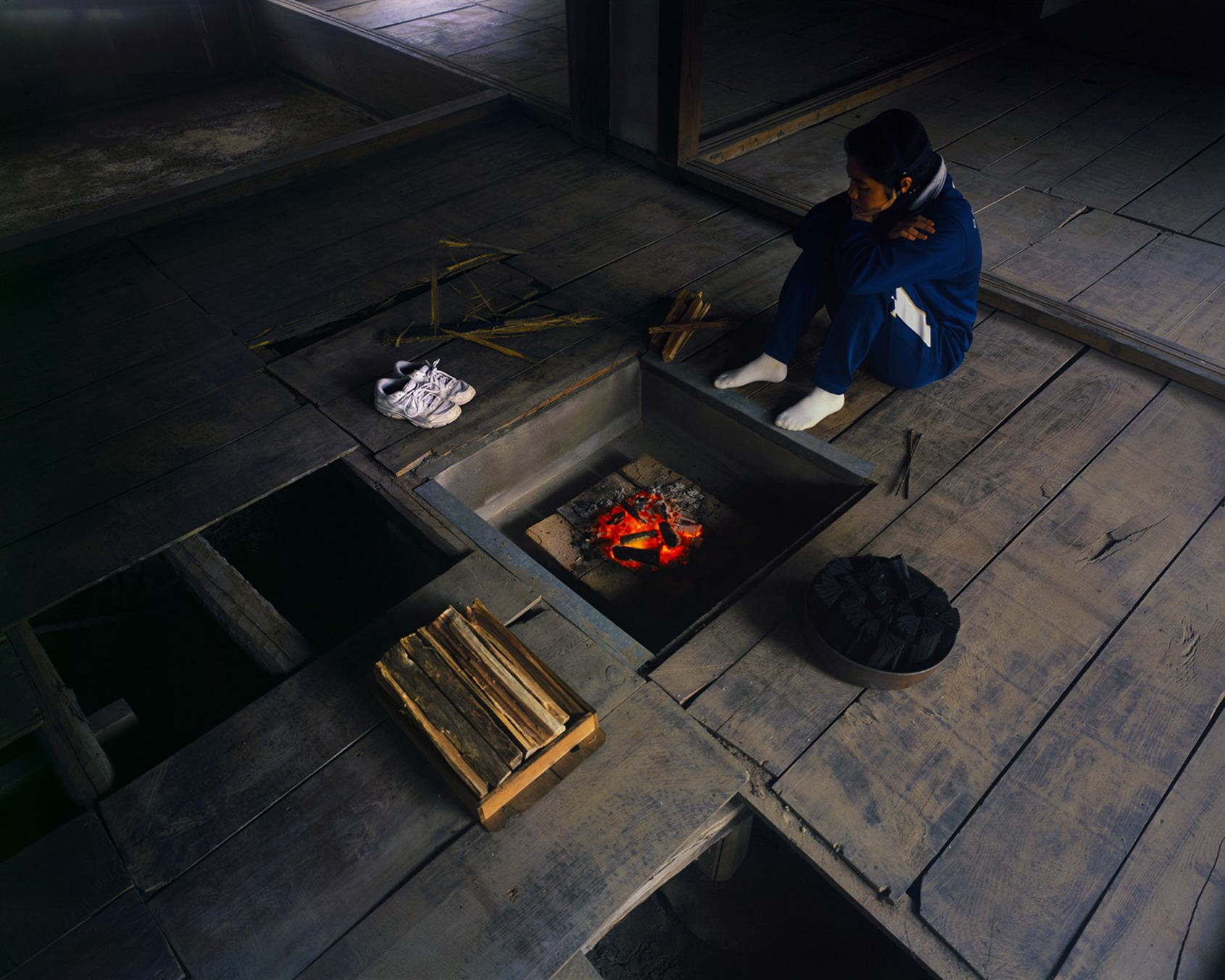
Yeh Wei-Li|An-Chan | Gunma Prefecture, Japan|2023|Giclee Print on Canson Baryta Prestige, 340gsm + Acrylic face-mounted print|116cm x 146cm|© Yeh Wei-Li
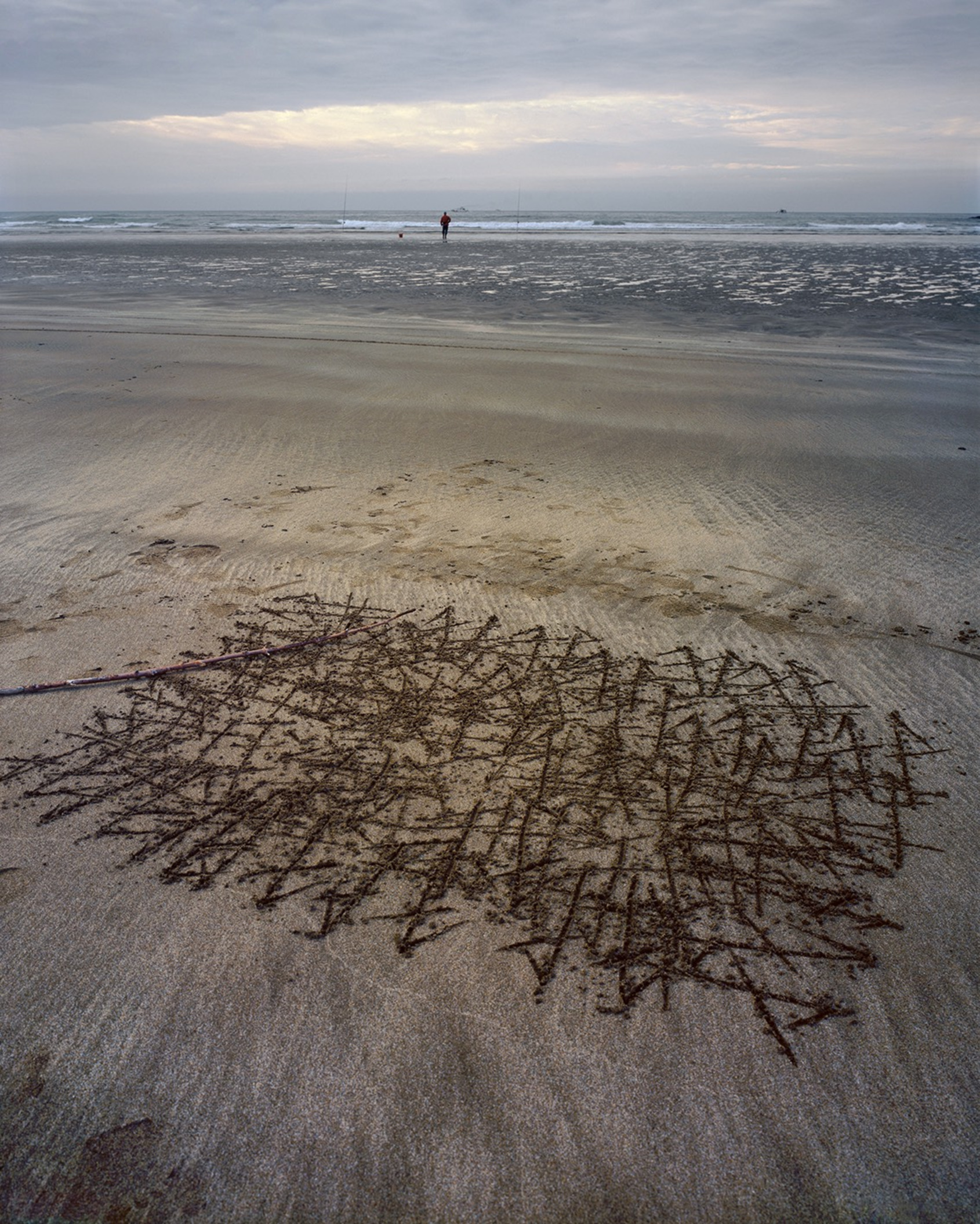
Yeh Wei-Li|Why Does “Jao” & “Wo” Look So Similar | Shalun, Damshui|2024|Giclee Print on Canson Baryta Prestige, 340gsm + Acrylic face-mounted print|116cm x 146cm|© Yeh Wei-Li
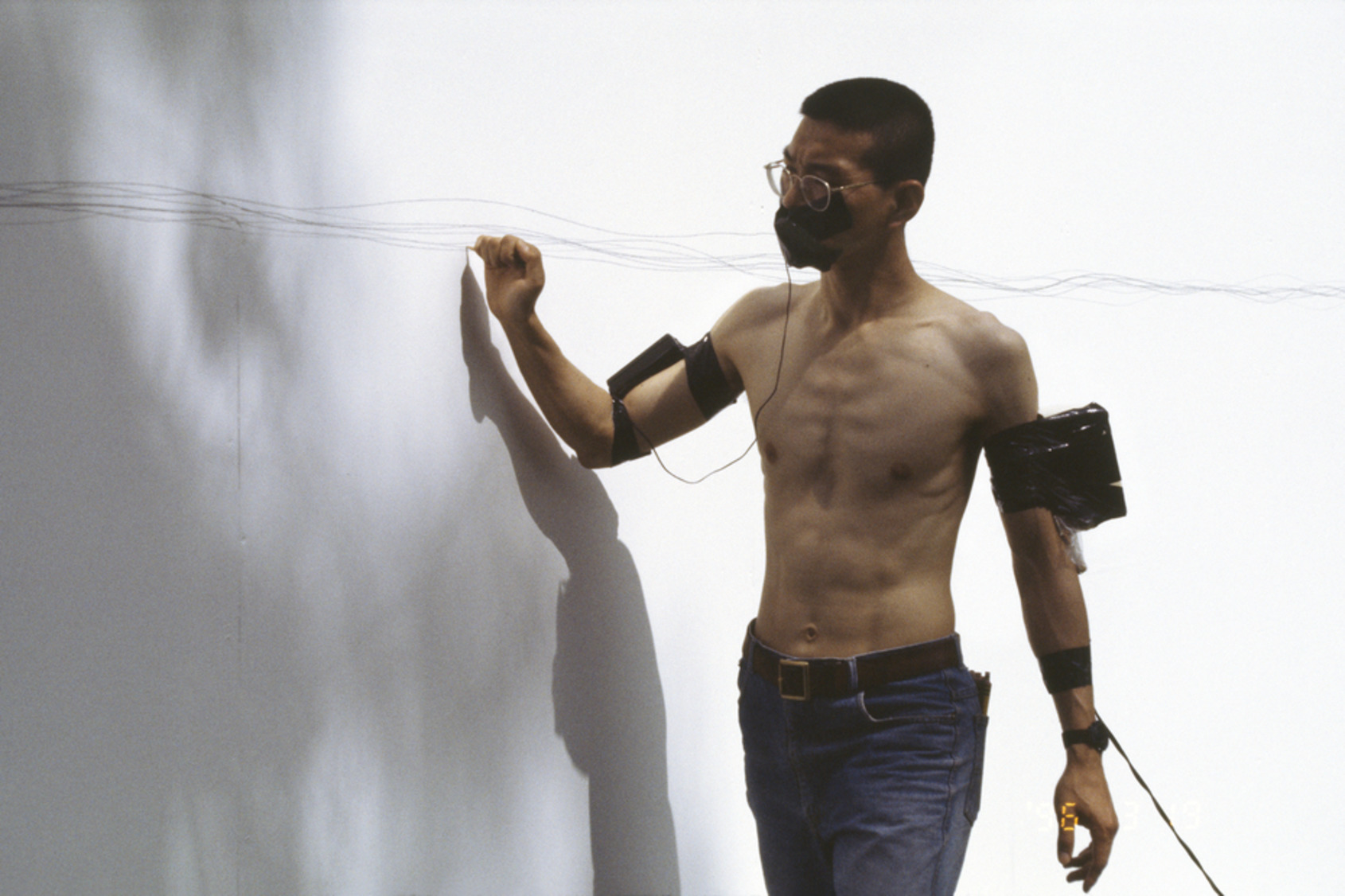
Shih Chin-Hua | Pencil Walker | Process Documentation | © Shih Chin-Hua
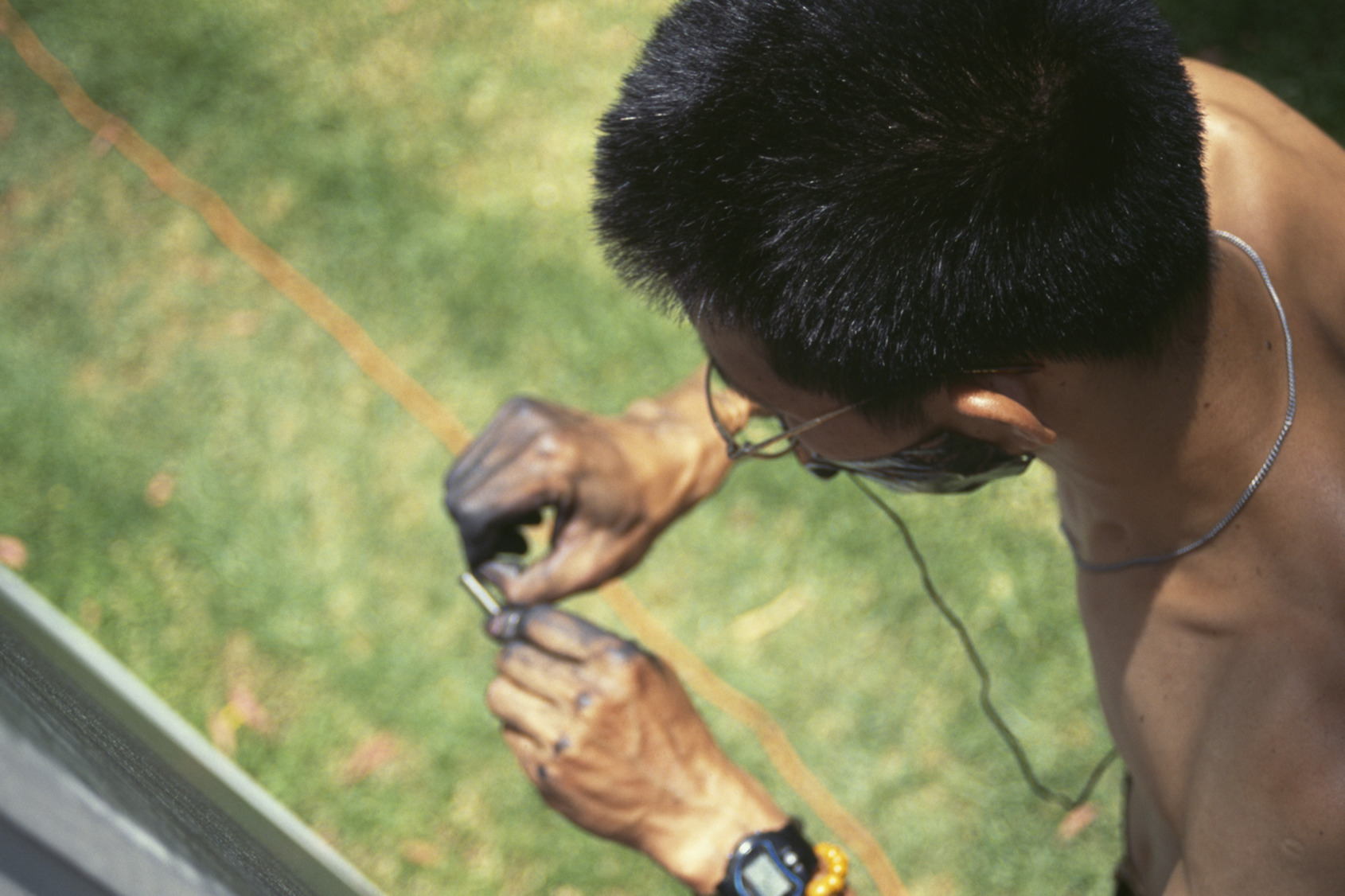
Shih Chin-Hua | Pencil Walker | Process Documentation | © Shih Chin-Hua
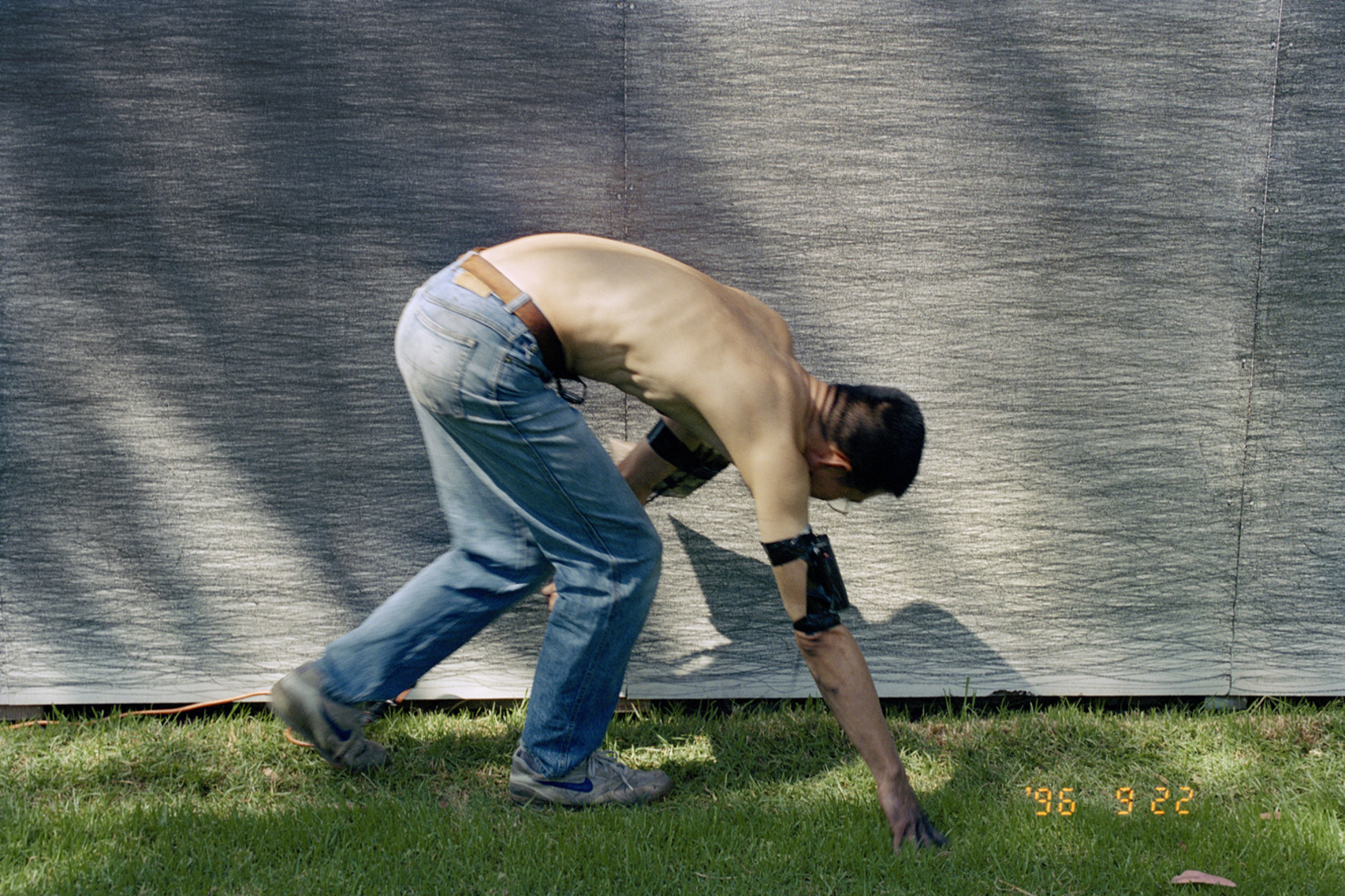
Shih Chin-Hua | Pencil Walker | Process Documentation | © Shih Chin-Hua