
Against the backdrop of uncertainty that defines contemporary society, can art become a remedy for healing rupture? In the autumn of 2025, within Dust and Gold — Makoto Fujimura and Shozo Michikawa at ALIEN Art Centre in Kaohsiung, Makoto Fujimura layers mineral pigments and gold leaf to build a profound sense of time and light, transforming creation into a form of ritual. His life experience and cultural practice allow his work to move beyond the visual, becoming instead a response to the world.
Creation as a Ritual of Restoration: Material, Time, and Light
Makoto Fujimura (b. 1960) was born in Boston, United States, and raised in a scientific family—his parents were researchers in biology and zoology. This background gave him a keen sensitivity to observation, from the textures of minerals to the cycles of micro-ecology, all of which became points of entry for his understanding of the world and laid the foundation for his later dual attention to both materiality and spirituality. He initially studied zoology and art at Bucknell University, before resolutely returning to Japan in search of his roots. There, he entered Tokyo University of the Arts, studying under Matazo Kayama, and trained in the tradition of Nihonga alongside artists of the same generation such as Hiroshi Senju and Takashi Murakami. During this period, he came to recognize the distinct aesthetic of kintsugi, which became a crucial basis for his cross-cultural and interdisciplinary artistic language—one rooted in Eastern craft traditions while remaining in dialogue with Western Abstract Expressionism.
Fujimura’s deep understanding of material arises from his reinterpretation of traditional Japanese aesthetics. He remains committed to the use of mineral pigments, gold leaf, and compositional traditions in Nihonga that have been transmitted since the Tang dynasty, while innovatively incorporating multilayered enamel-like applications. At the core of this practice is his intention to allow material itself to become a carrier of time and light, transformed into a medium capable of responding to contemporary society. He often grinds minerals such as jade and obsidian into powder by hand, mixes them with water, and allows color to flow naturally across the painting’s surface. Many of his works are built up with 80 to 100 layers of pigment, producing a dense sense of time and a deep spatial resonance through the interplay of light and shadow.
Fujimura emphasizes that creation itself is a ritual: each added layer records traces of waiting, sedimentation, and contemplation, turning the work into a container of time. This profound respect for material allows his practice to move beyond pure visual expression, becoming an act poised between craft and faith.
Yet Fujimura’s artistic form does not stop at the canvas. His insight lies in recognizing, within the aesthetic of kintsugi, broader and more inclusive social questions. In this sense, he elevates art beyond the technical level and into a form of social action, transforming creation into a cultural practice that connects communities and responds to the times.
A Further Elevation of Artistic Ethos
Fujimura proposed the idea of Culture Care in response to the “culture wars” that became prevalent in the 1990s. In contrast to conflict-driven understandings of culture, he suggests that culture should be regarded as a garden—something to be cultivated and cared for. For Fujimura, the true turning point in both life and artistic practice came through his experience as a survivor of 9/11. “In an instant, everything was destroyed,” he recalled. At the time, his residence was only three blocks from the World Trade Center, and he was trapped in the New York subway when the attacks occurred. The sudden collapse and shock forced him to confront disorder and uncertainty firsthand.
Under such conditions, he chose to return to the studio, regarding creation as the starting point for self-healing and spiritual transformation. After 9/11, he initiated the Tribeca Comforter project in New York. Within it, Ground Zero Teahouse, drawing on the tea aesthetics of Sen no Rikyū and the practice of sadō (the Way of Tea), transformed art into a ritual of peace.
Beauty as a Force Against Darkness: Natural Materials and Social Practice
Fujimura’s insistence on using natural materials is not merely a formal choice, but an attitude: in the midst of darkness and unease, beauty becomes a mode of resistance and an expression of hope. Recalling New York in the 1990s, he has said: “At that time, ‘beauty’ was almost taboo—even something that could provoke discomfort. My decision to work with minerals and gold leaf was in fact a form of resistance in a dark age, an attempt to bring the beauty of Rinpa back to New York.” He has also emphasized the importance of artists such as Francisco de Goya and Mark Rothko to his thinking: “They were both able to create beauty in dark times, and my art is an expression of hope. I need to create through the materials I have chosen, because they are the weapons with which I resist the forces of darkness.”
This philosophy extends into a global practice. Through the founding of IAM Culture, Fujimura has sought to realize his belief in Culture Care through concrete action. He has worked with children born under difficult circumstances in Indian slums, using art to show them that even what appears incomplete may become something of greater value. In the aftermath of the Columbine High School shooting, in which 20 students tragically lost their lives, he intervened among survivors through what might be called an aesthetics of care—helping them rebuild courage for learning and living, while advocating against violence.
After returning to Japan, Fujimura gradually fostered a new climate of thought through workshops and educational exchange. Traditional craft masters saw in him the possibility of continuity, and began entrusting to him endangered materials and techniques on the verge of disappearance. His response, in turn, has been to transform craft into a living culture—one that not only preserves tradition, but also offers strength to people within the predicaments of the present.
Makoto Fujimura|Artist Portrait|© Makoto Fujimura
Dust and Gold|Installation View|ALIEN Art Centre, 1F|© ALIEN Art Centre
Dust and Gold|Installation View|ALIEN Art Centre, 1F|© ALIEN Art Centre
Makoto Fujimura|Artwork Detail|© Makoto Fujimura
Makoto Fujimura|Artwork Detail|© Makoto Fujimura
Dust and Gold|Installation View|ALIEN Art Centre, 1F|© ALIEN Art Centre
Dust and Gold|Installation View|ALIEN Art Centre, 1F|© ALIEN Art Centre
Dust and Gold|Installation View|ALIEN Art Centre, 1F|© ALIEN Art Centre
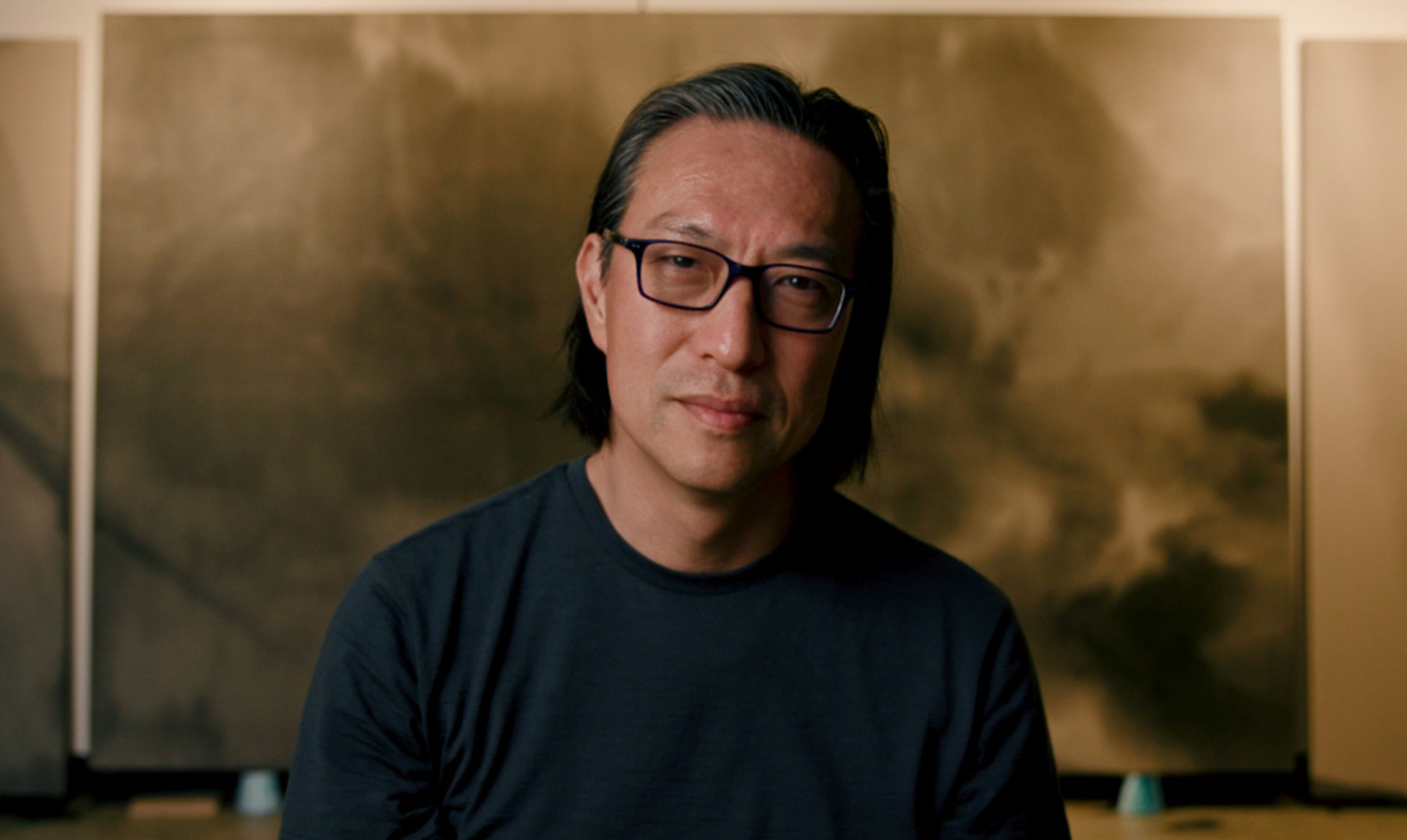
Makoto Fujimura|Artist Portrait|© Makoto Fujimura
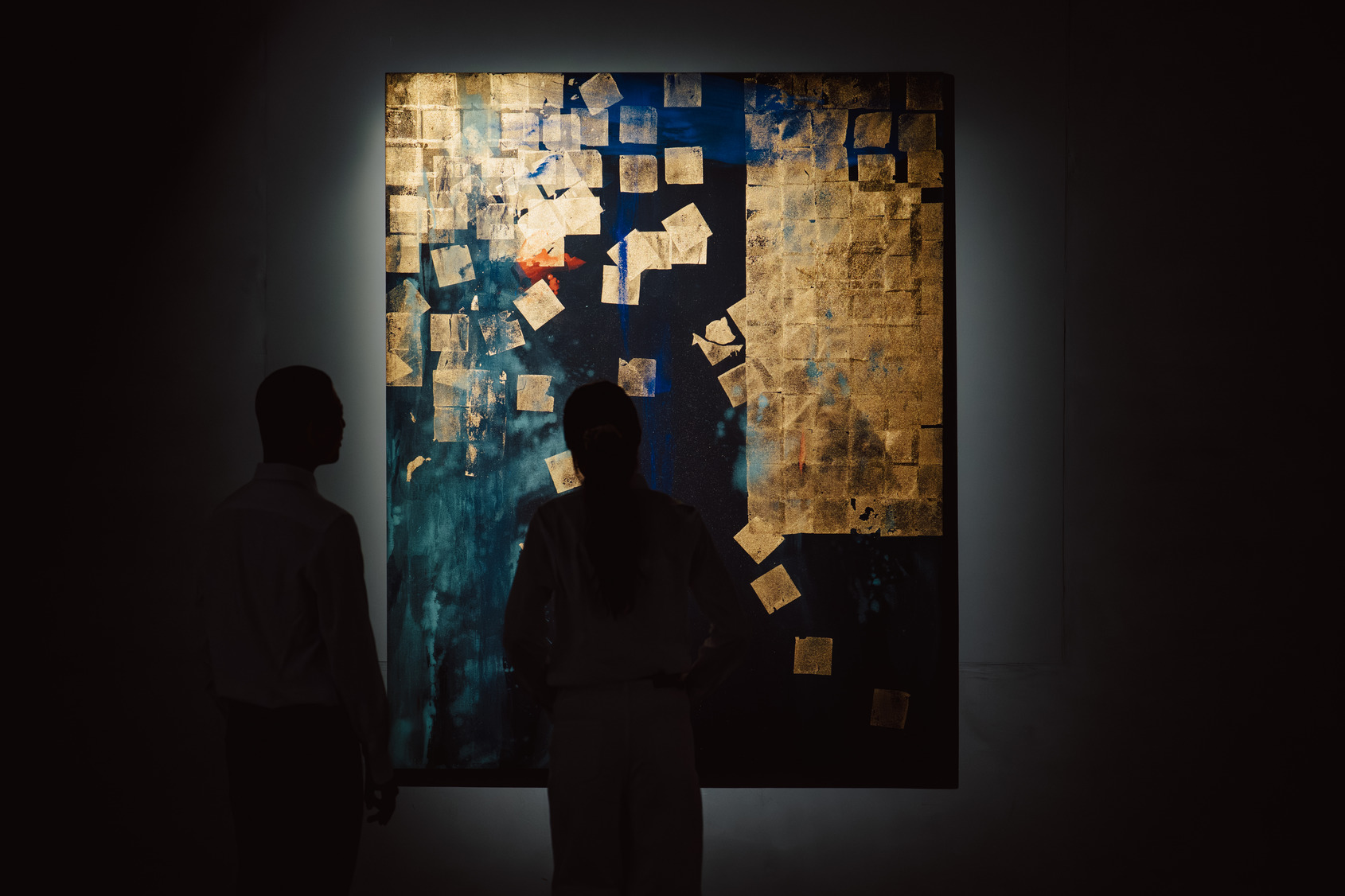
Dust and Gold|Installation View|ALIEN Art Centre, 1F|© ALIEN Art Centre
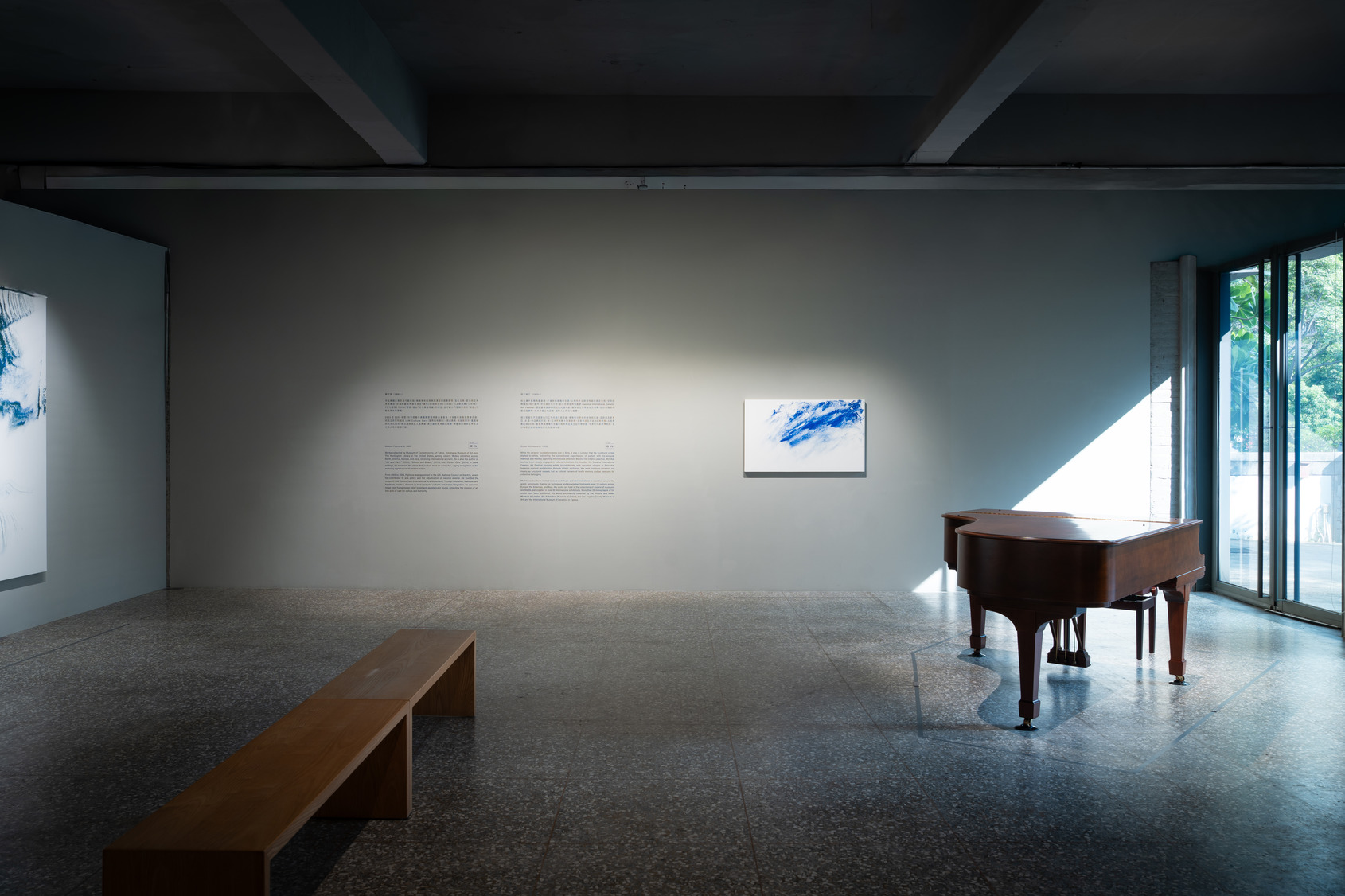
Dust and Gold|Installation View|ALIEN Art Centre, 1F|© ALIEN Art Centre
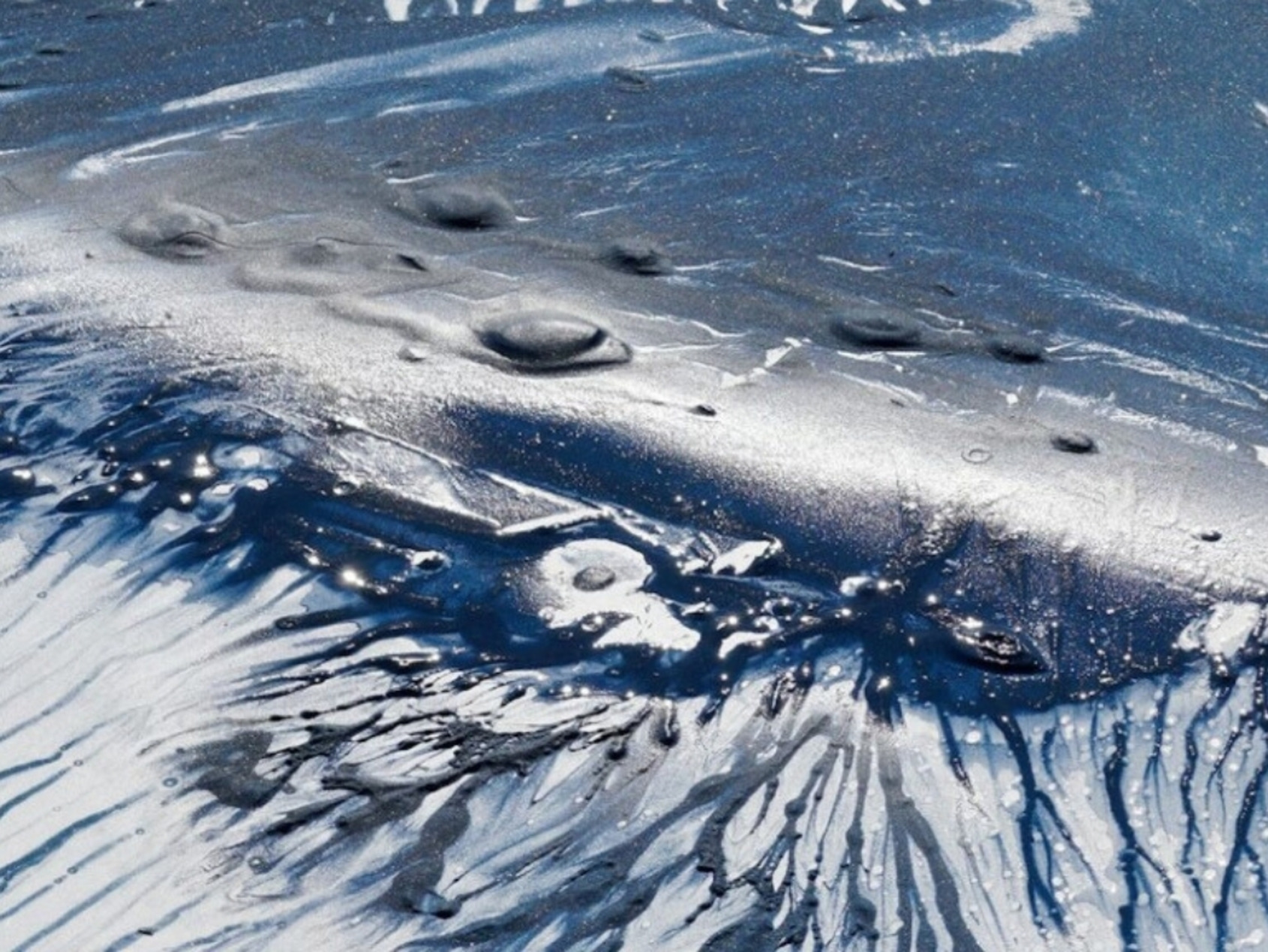
Makoto Fujimura|Artwork Detail|© Makoto Fujimura
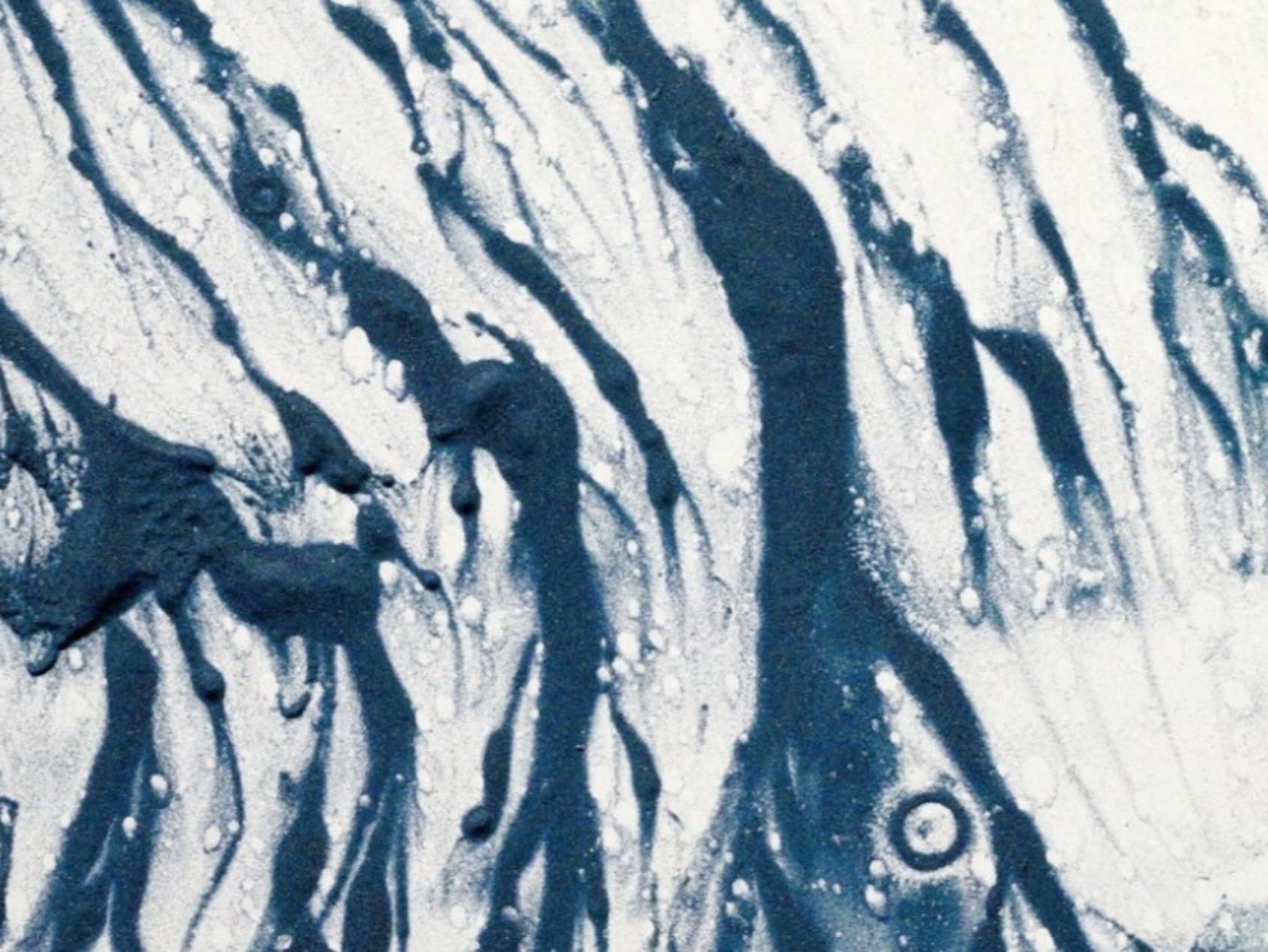
Makoto Fujimura|Artwork Detail|© Makoto Fujimura
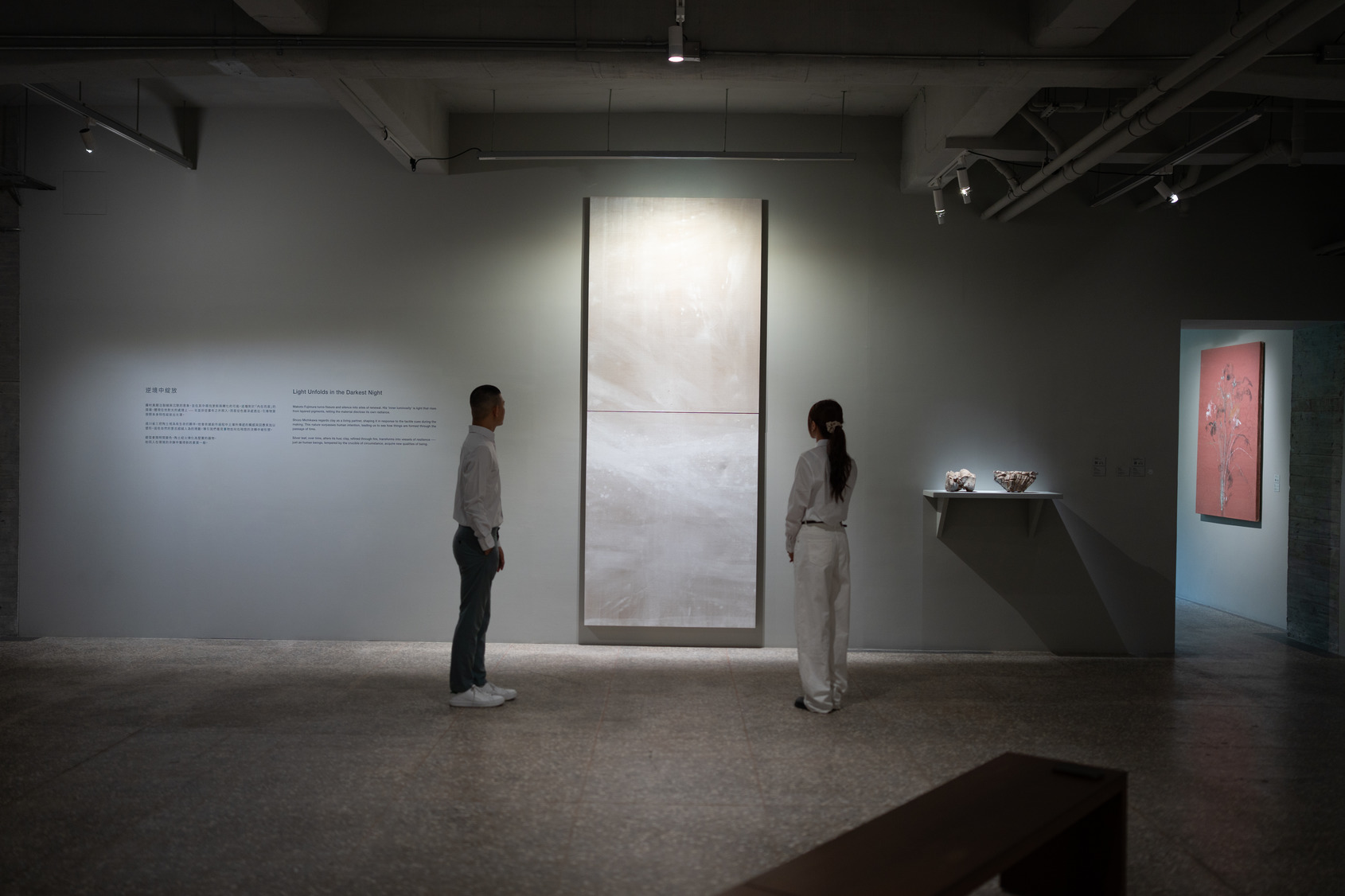
Dust and Gold|Installation View|ALIEN Art Centre, 1F|© ALIEN Art Centre
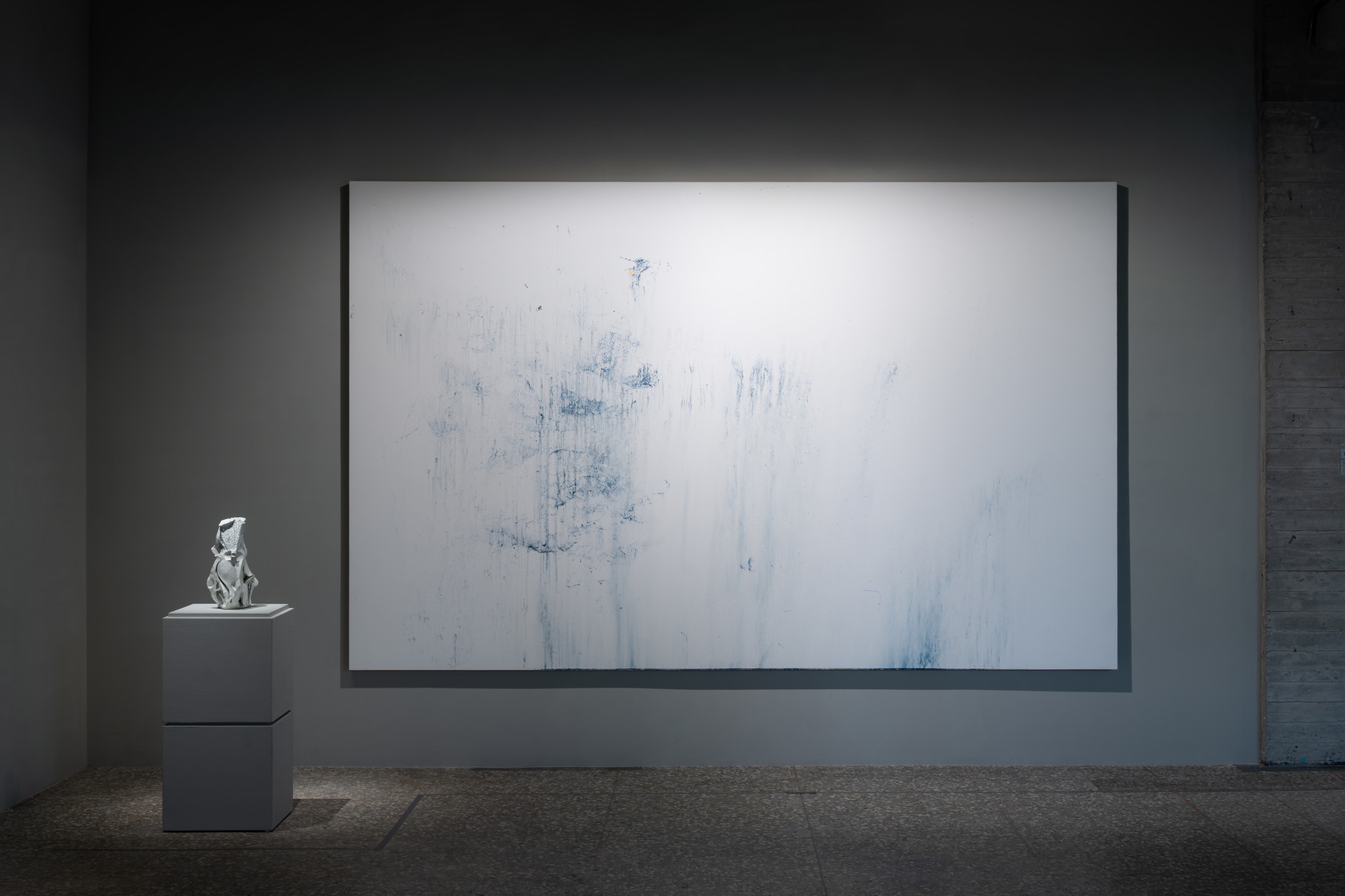
Dust and Gold|Installation View|ALIEN Art Centre, 1F|© ALIEN Art Centre
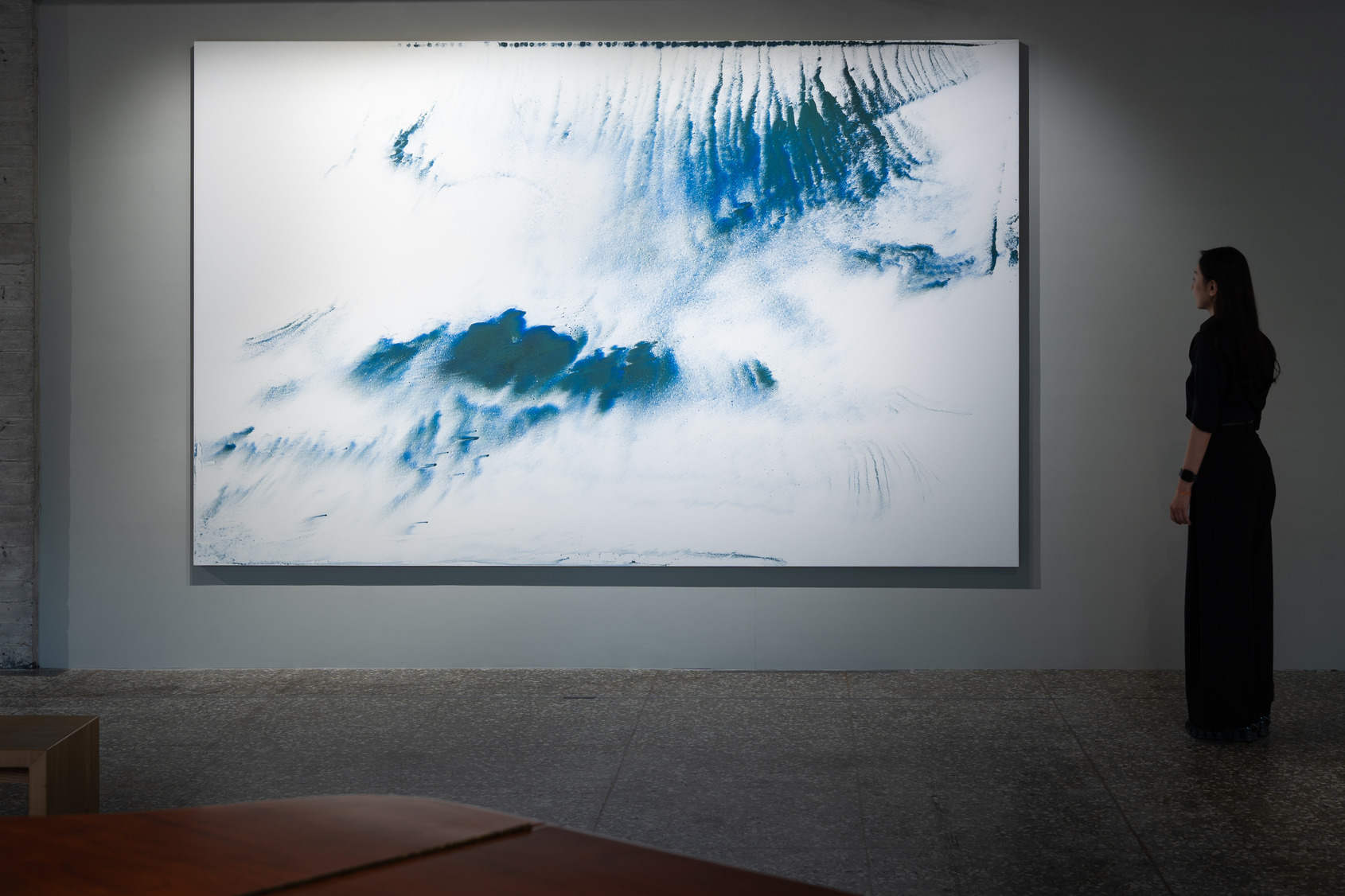
Dust and Gold|Installation View|ALIEN Art Centre, 1F|© ALIEN Art Centre