
If postwar Japanese Gutai symbolized a radical exploration of the autonomy of materials, then in Dust and Gold — Makoto Fujimura and Shozo Michikawa, Fujimura and Michikawa extend that spirit of letting materials speak for themselves into a new context. Co-curated by Yaman Shao, Director and Curator of ALIEN Art Centre, and independent curator Jenny Lee, Dust and Gold — Makoto Fujimura and Shozo Michikawa unfolds as a narrative map of Materiality × Ecology. It exceeds the framework of a purely visual exhibition, becoming instead a meditation on the ethics of material and the ecology of culture.
Opposition and Balance: Shaping Tension Through the Memory of Nature
Shozo Michikawa’s art takes clay and fire as its medium, yet it moves far beyond the realm of craft, becoming a spiritual testament to coexistence with nature and dialogue with time. His artistic trajectory is inseparable from his formative experiences. As a child, he lived among the volcanoes and lakes of Hokkaido, where he witnessed volcanic eruptions and contemplated the mirror-like stillness of Lake Tōya in November. As he recalls: “In front of me was the calm surface of the lake; behind me stood the vast mountain range. This opposition between strength and weakness became my most important source of inspiration.” For this reason, his works frequently place roughness and smoothness, brightness and dullness, force and stillness side by side, transforming contradiction into a source of tension and energy.
This inward awareness of opposition directly shapes the three core works presented in this exhibition, all of which revolve around the shared theme of opposition and balance. These works have previously been exhibited in London, New York, Nagoya, and Hokkaido. The workshop environments in which they emerged were themselves starting points for his practice: much like the communal bonds found in Taiwan’s Indigenous tribal communities, Michikawa often invites international friends to stay and work alongside ceramic artists, gathering around clay in a setting stripped of external distractions, where only craft and exchange remain.
Breaking with Convention: Toward the International Stage
Michikawa’s artistic path, however, was far from straightforward. Before the age of thirty, he was still engaged in business before turning to ceramics in Seto, one of Japan’s historic centers of ceramic production. Decades of practice gave him an intimate understanding of the temperament of clay, yet he refused to remain confined within tradition. Because of his unconventional techniques, he was rejected by traditional craftsmen, and his works could initially only be shown in department stores. Yet it was precisely this return to something more elemental that drew the attention of the Western art world. After exhibiting in London, he gained international recognition and gradually stepped onto the global stage. Today, his works have been shown in more than thirty countries, and in 2024 were even projected onto an ancient castle in Italy, demonstrating their powerful contemporary resonance.
Dialoguing with Clay: Letting It Grow Freely
In the course of making, Michikawa came to realize that clay is not a passive material, but a living entity with its own natural intention. He therefore went to Kyoto in search of soil, and began allowing clay to “grow” freely on the wheel. As he says with a smile: “Clay and I talk to each other. Sometimes it collapses or twists, but I enjoy accepting those changes. In the end, it likes me, and I like it too.” This approach to making, grounded in dialogue with clay, recalls Michelangelo’s philosophy of releasing the figure already latent within the stone.
When asked at the exhibition opening whether “the clay tells you what to do,” he laughed and recalled his early years in ceramic school: “Back then, teachers instructed us almost like following an operation manual. At first, I also pursued consistency in size and texture, always trying to control the outcome. But in Seto, people kept coming to my studio to ‘secretly learn’ my techniques, so I simply abandoned tradition and began making heavy, cracked vessels, as well as square and triangular ceramic forms.” He compared this breakthrough to Columbus standing the egg on its end: “I place a square block of clay on the wheel, insert my hand straight through the center like a stick, then twist from the outside and cut repeatedly. People are always astonished when they see it.”
Flame and Ash: The Trace of the Uncontrollable
Michikawa remains committed to the ancient anagama wood-firing kiln. A single work may take three days and three nights to complete, while flame and ash leave uncontrollable traces across its surface. As he explains: “Before firing, everyone prays. The result may be disappointing, or it may be a surprise—but that is exactly the beauty of ceramics: it breathes together with nature.”
This time-intensive process gives his works, at times, the density and weight of earth, and at others, a sense of spatial lightness shaped by flame and shadow. His forms are often compared to the landscape architecture of Zaha Hadid, revealing turbulent spirals that contain order within irregularity. He hopes that viewers will return to the works again and again from different angles and under different conditions of light, so as to feel within them the breath of clay, fire, and nature.
Social Practice and the Ethics of Care
Beyond his artistic practice, Michikawa has also remained deeply engaged with community. In 2011, he founded the Sasama International Ceramic Art Festival in the mountainous region of Shizuoka, inviting artists from around the world to create together with local residents and helping to revitalize a declining rural community.
His connection with ALIEN Art Centre for this exhibition began with Yaman Shao’s longstanding concern with the question of materiality. Only after months of waiting and a meeting in Kyoto did Michikawa decide to participate. In the end, he chose to bring twelve treasured works, including a silver piece that had remained unseen for ten years, with plans already underway for a second chapter next April. Now nearing seventy, he continues to move through the international art world as an independent artist.
Shozo Michikawa|Artist Portrait|© Shozo Michikawa
Dust and Gold|Installation View|ALIEN Art Centre, 1F|© ALIEN Art Centre
Dust and Gold|Installation View|ALIEN Art Centre, 1F|© ALIEN Art Centre
Dust and Gold|Installation View|ALIEN Art Centre, 1F|© ALIEN Art Centre
Dust and Gold|Installation View|ALIEN Art Centre, 1F|© ALIEN Art Centre
Dust and Gold|Installation View|ALIEN Art Centre, 1F|© ALIEN Art Centre
Shozo Michikawa|Film still (from documentary)|© Kazuaki Sakuma
Shozo Michikawa|Film still (from documentary)|© Kazuaki Sakuma
Shozo Michikawa|Film still (from documentary)|© Kazuaki Sakuma
Shozo Michikawa|Film still (from documentary)|© Kazuaki Sakuma
Shozo Michikawa|Film still (from documentary)|© Kazuaki Sakuma
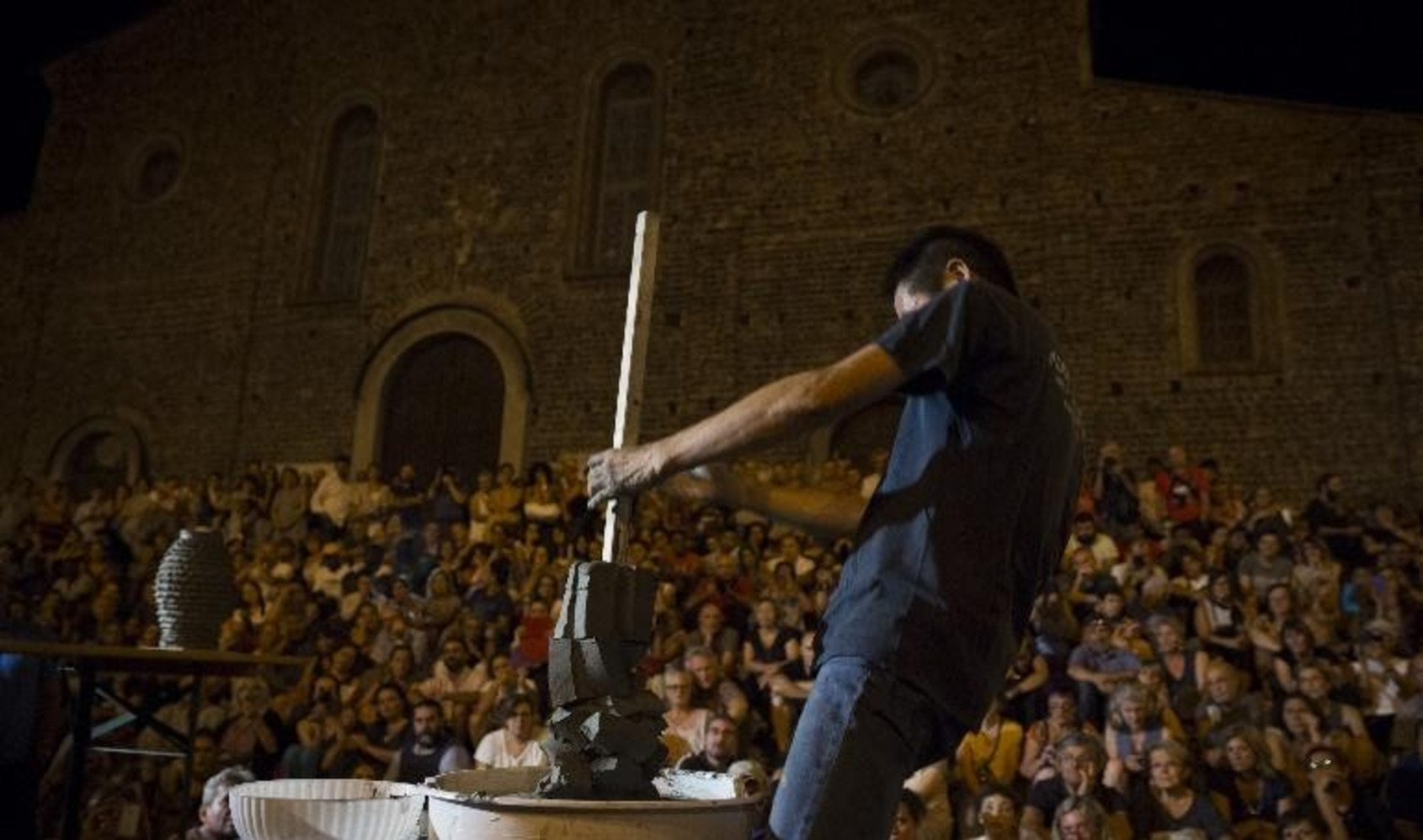
Shozo Michikawa|Artist Portrait|© Shozo Michikawa
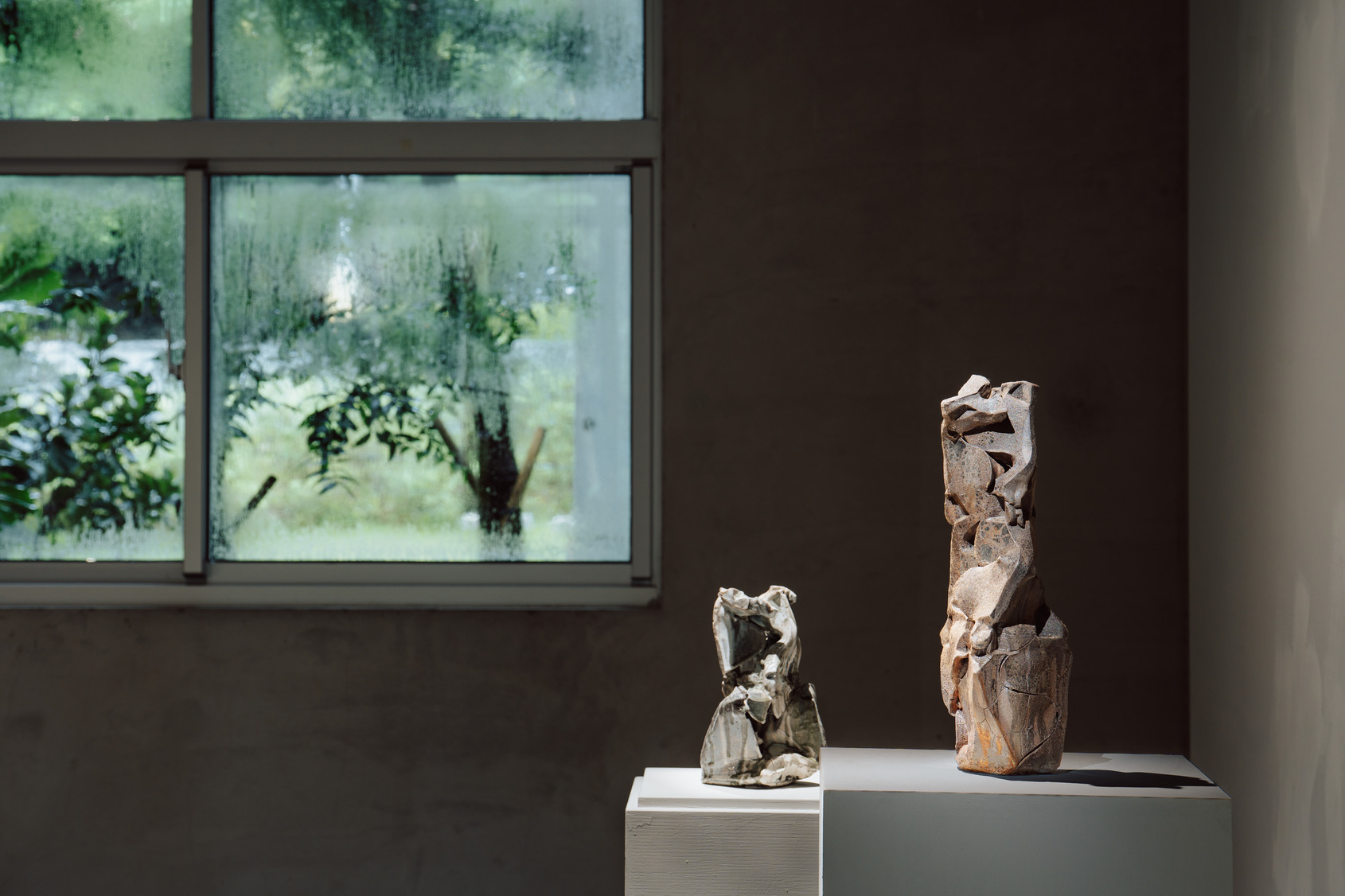
Dust and Gold|Installation View|ALIEN Art Centre, 1F|© ALIEN Art Centre
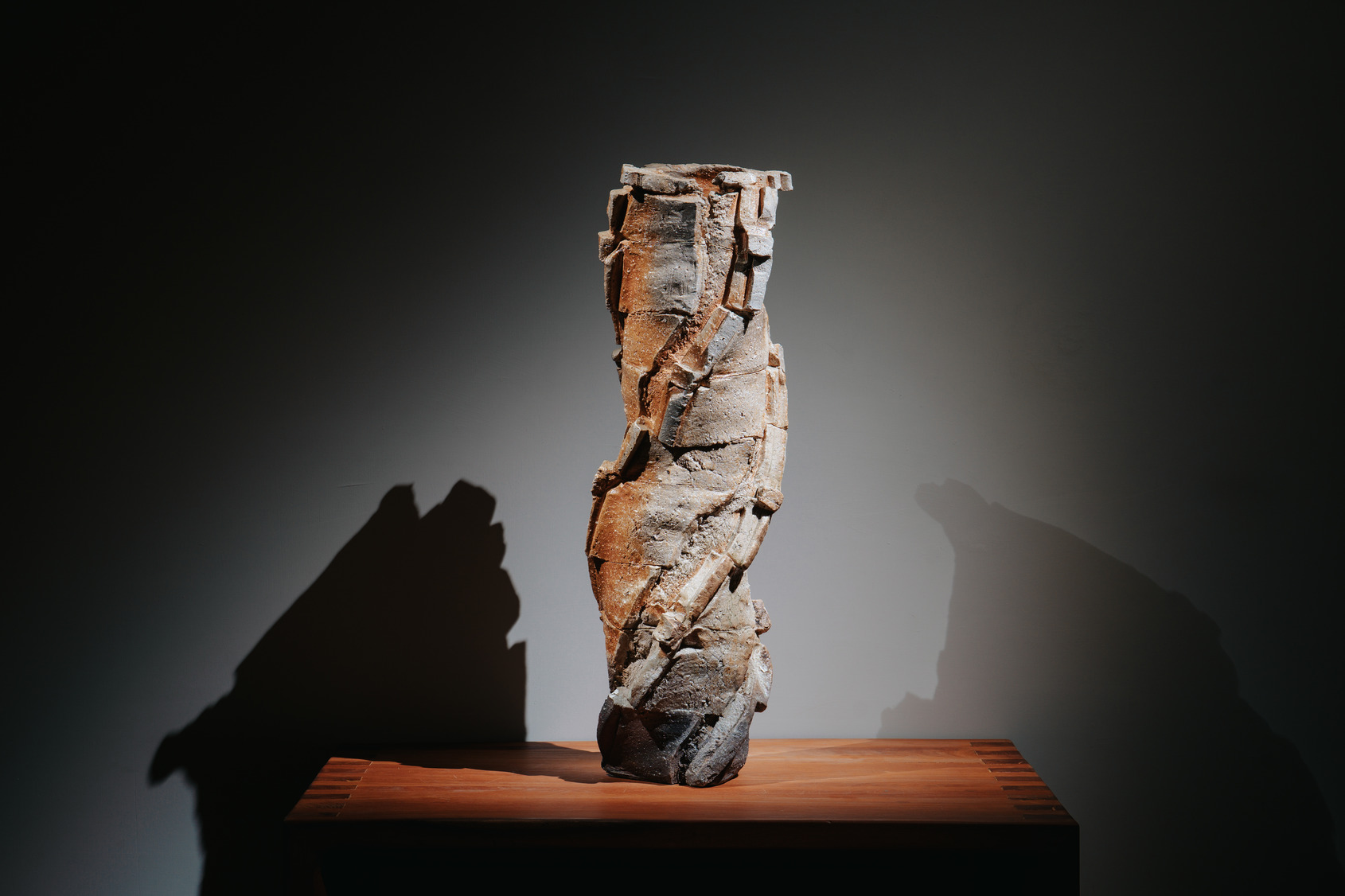
Dust and Gold|Installation View|ALIEN Art Centre, 1F|© ALIEN Art Centre
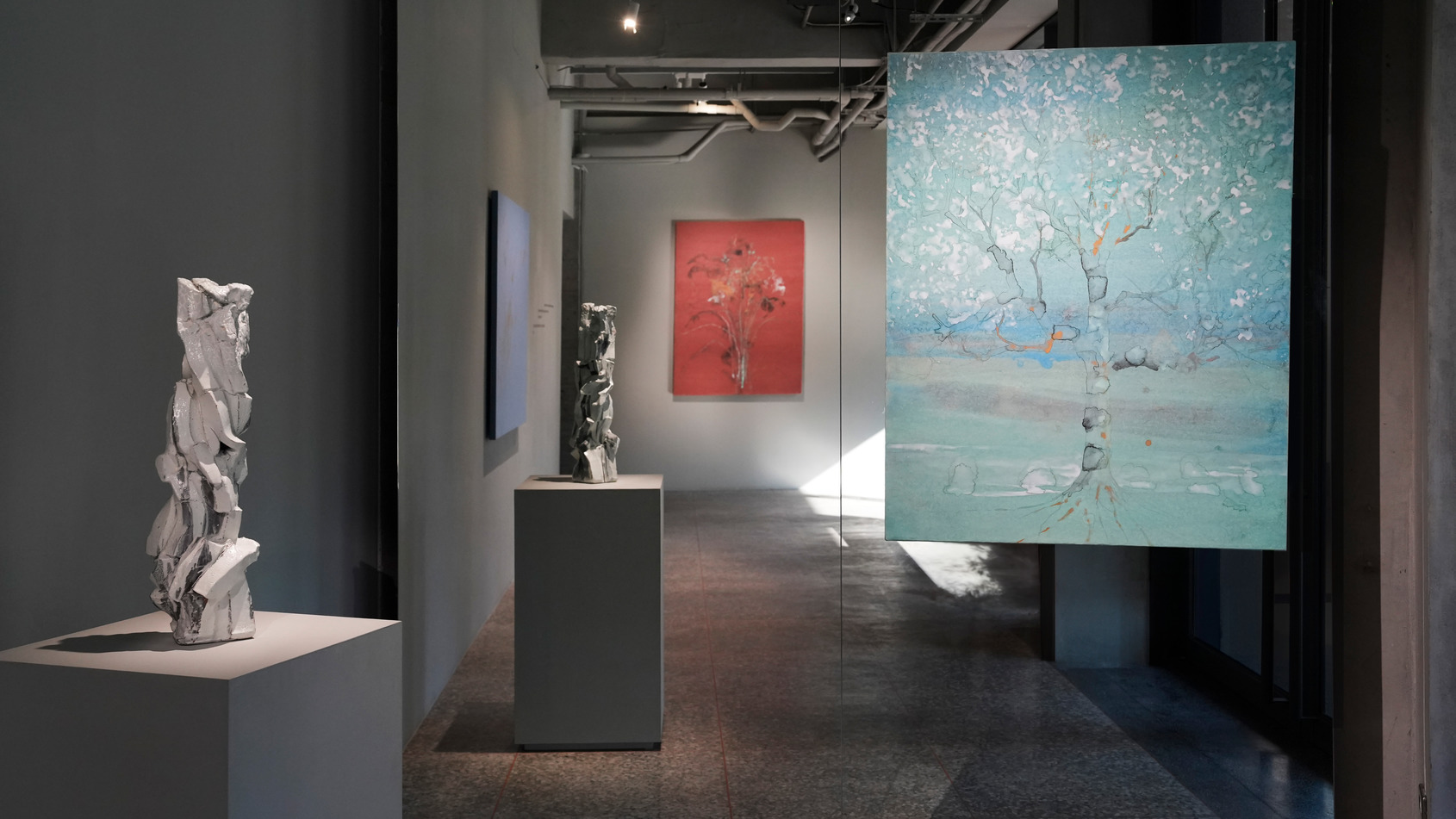
Dust and Gold|Installation View|ALIEN Art Centre, 1F|© ALIEN Art Centre
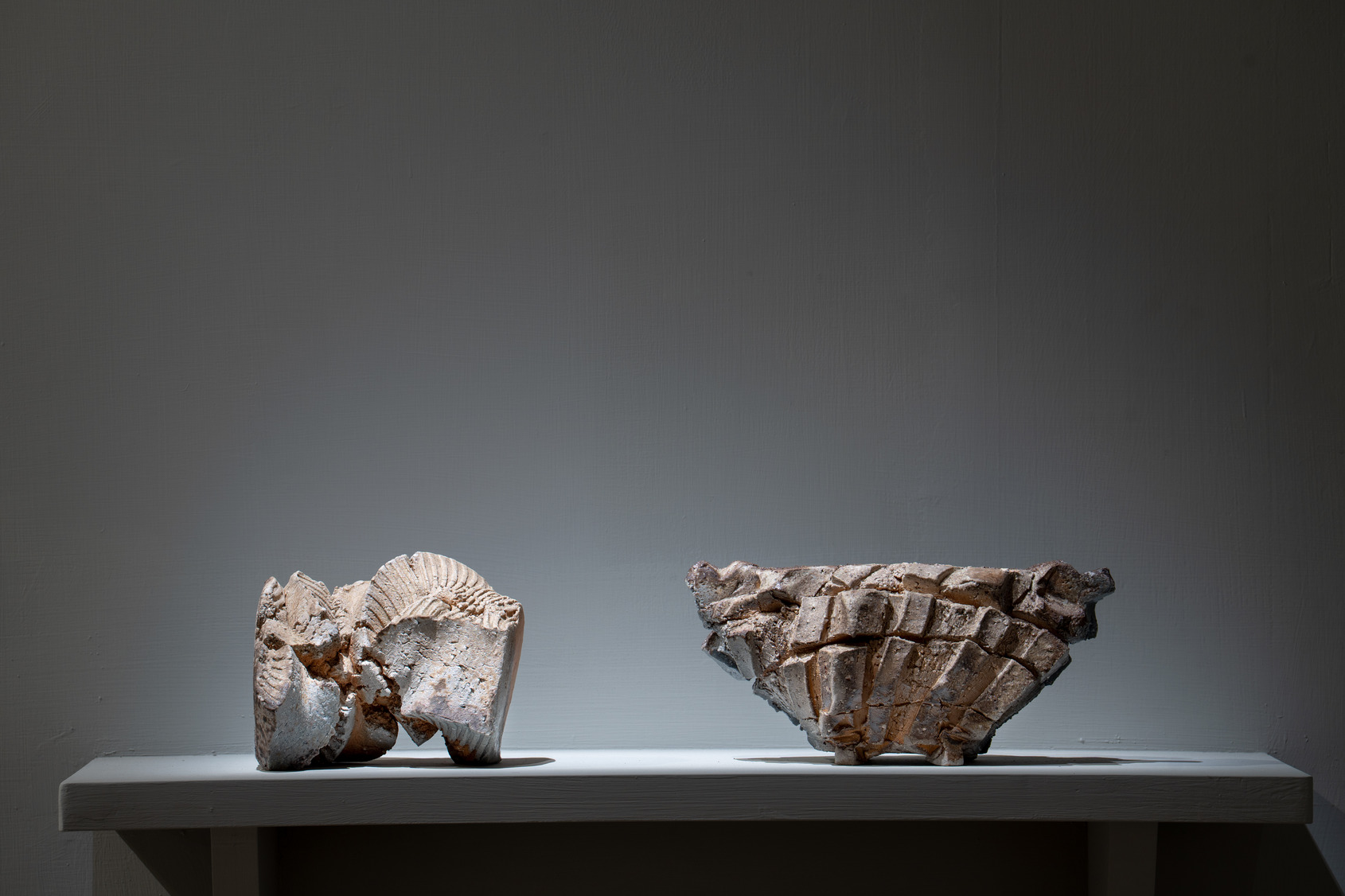
Dust and Gold|Installation View|ALIEN Art Centre, 1F|© ALIEN Art Centre
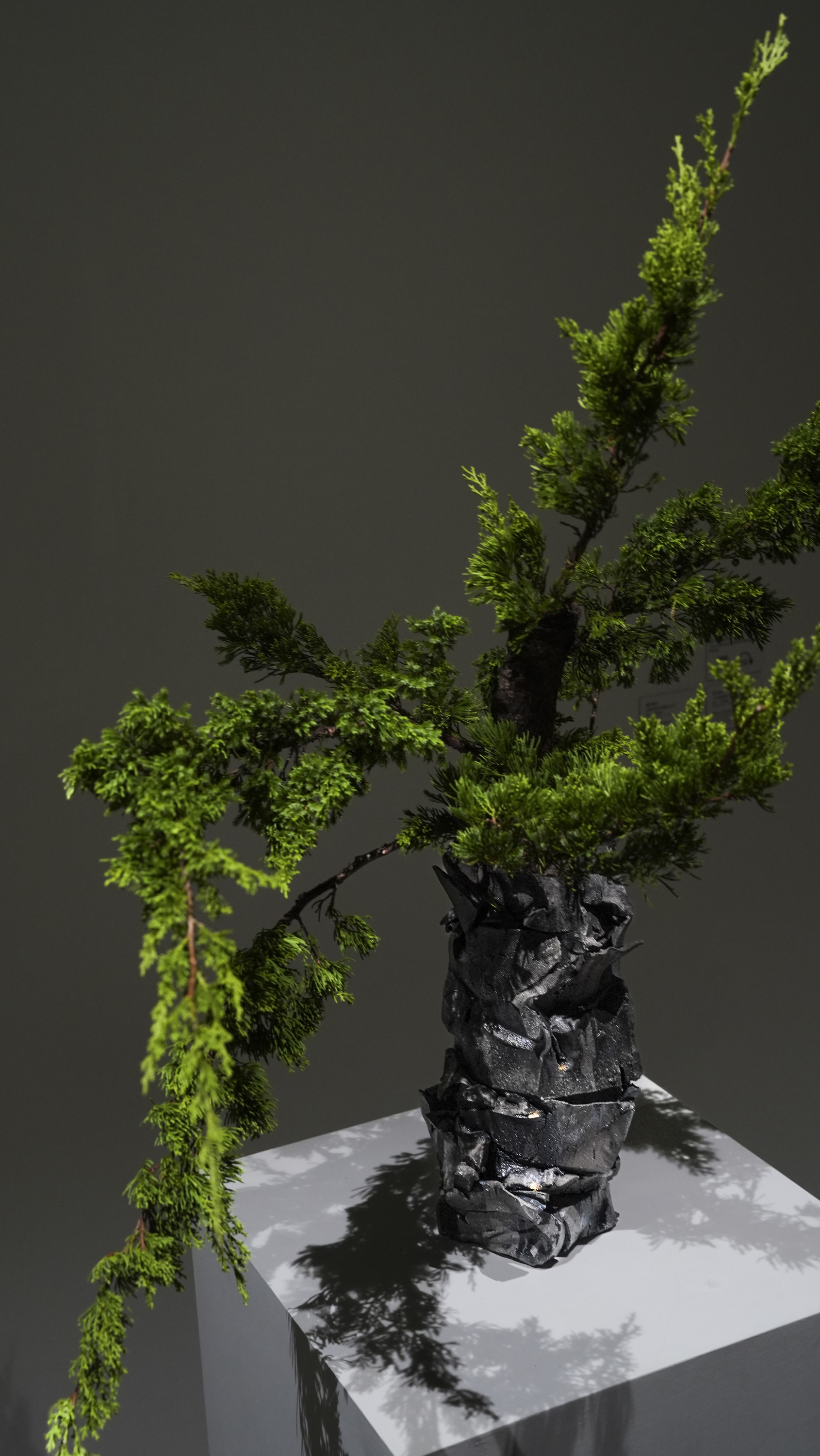
Dust and Gold|Installation View|ALIEN Art Centre, 1F|© ALIEN Art Centre
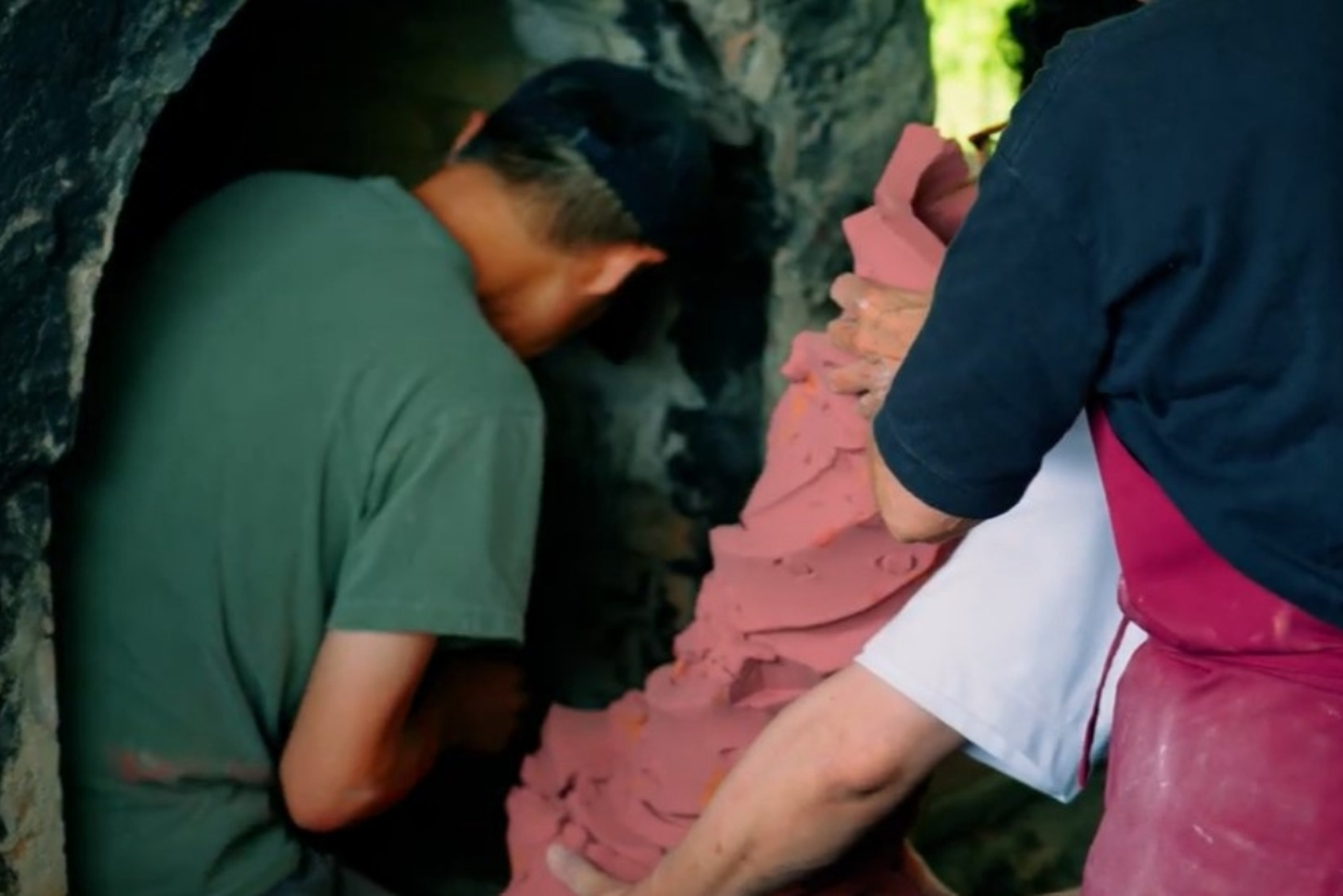
Shozo Michikawa|Film still (from documentary)|© Kazuaki Sakuma
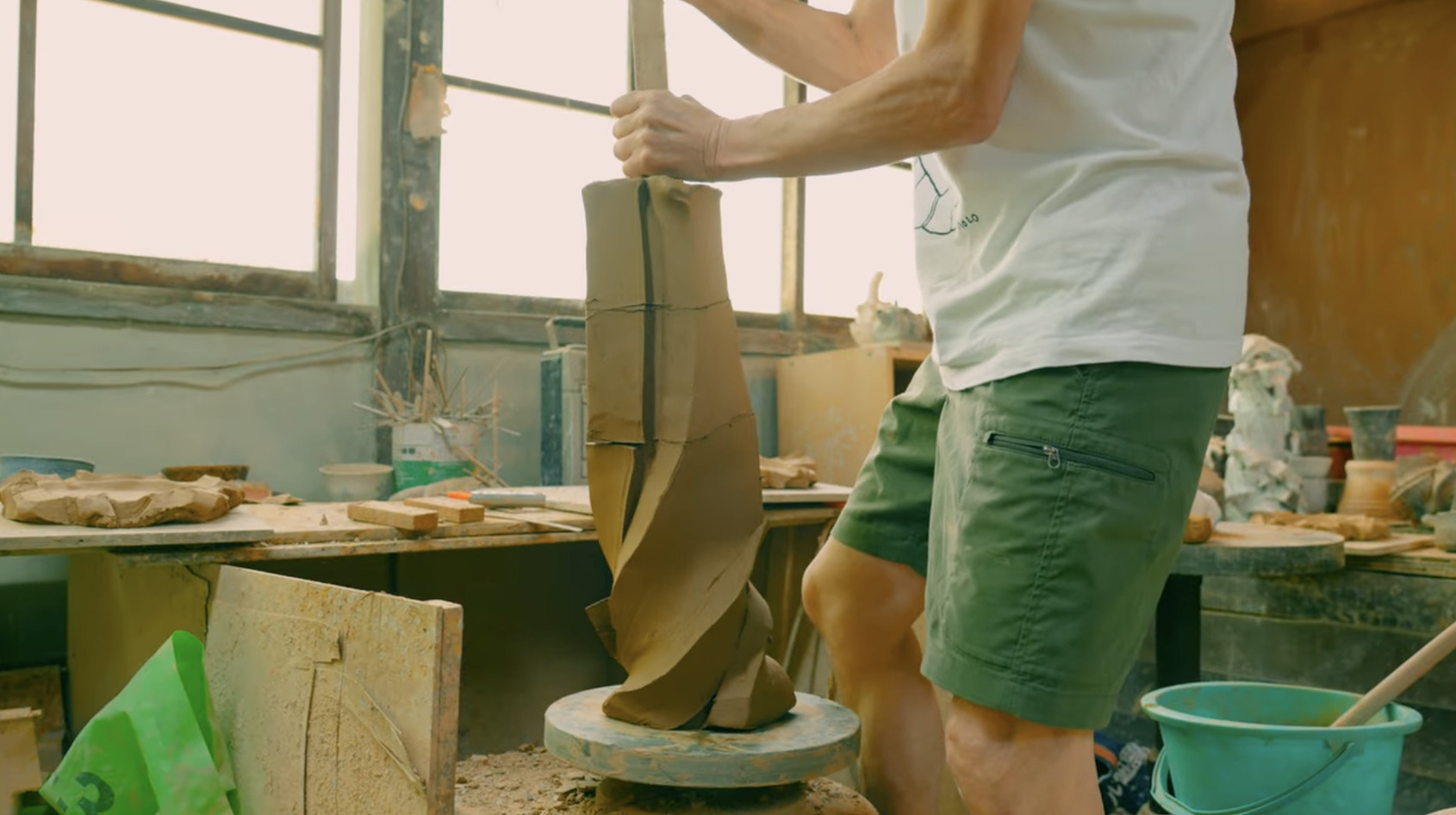
Shozo Michikawa|Film still (from documentary)|© Kazuaki Sakuma
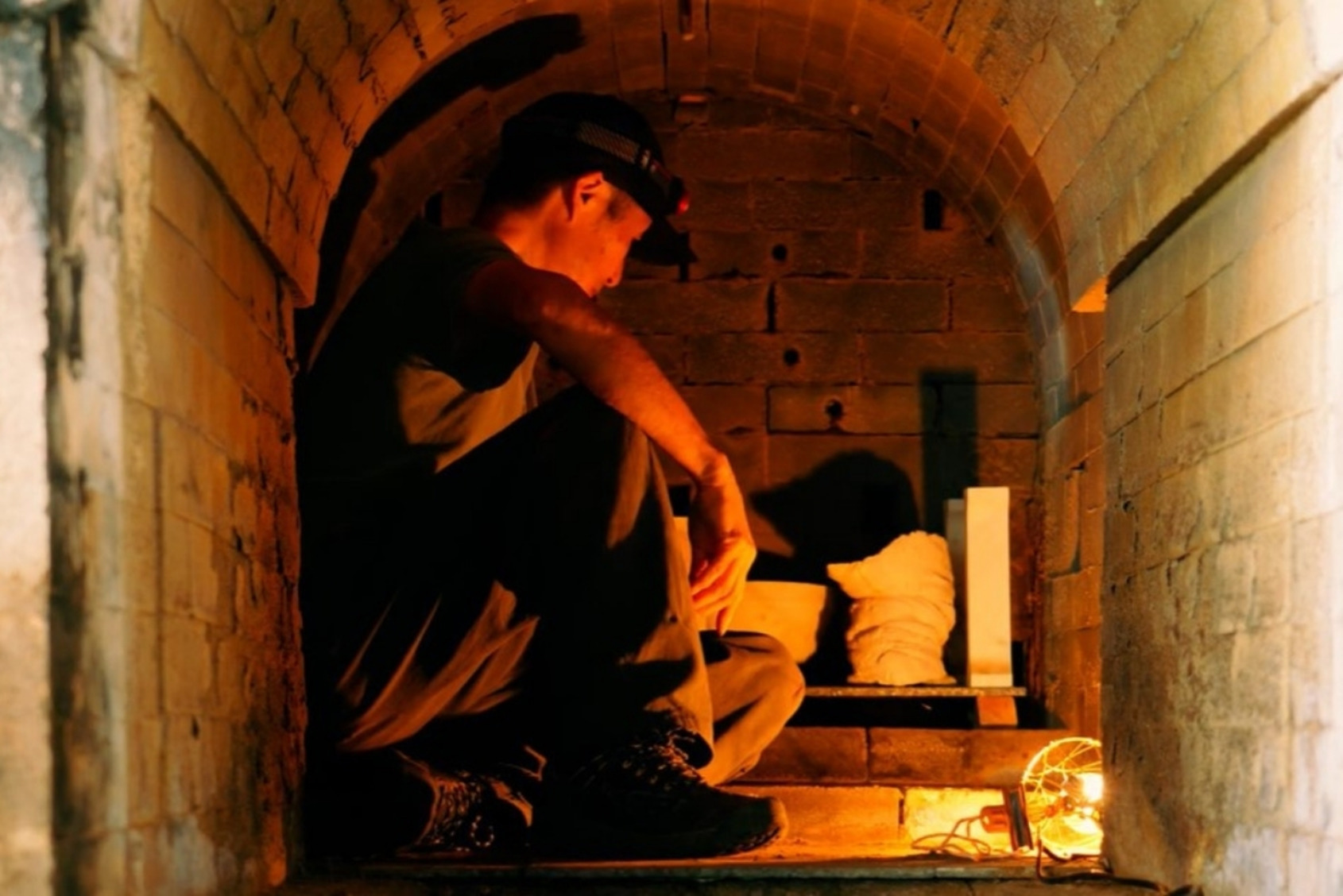
Shozo Michikawa|Film still (from documentary)|© Kazuaki Sakuma
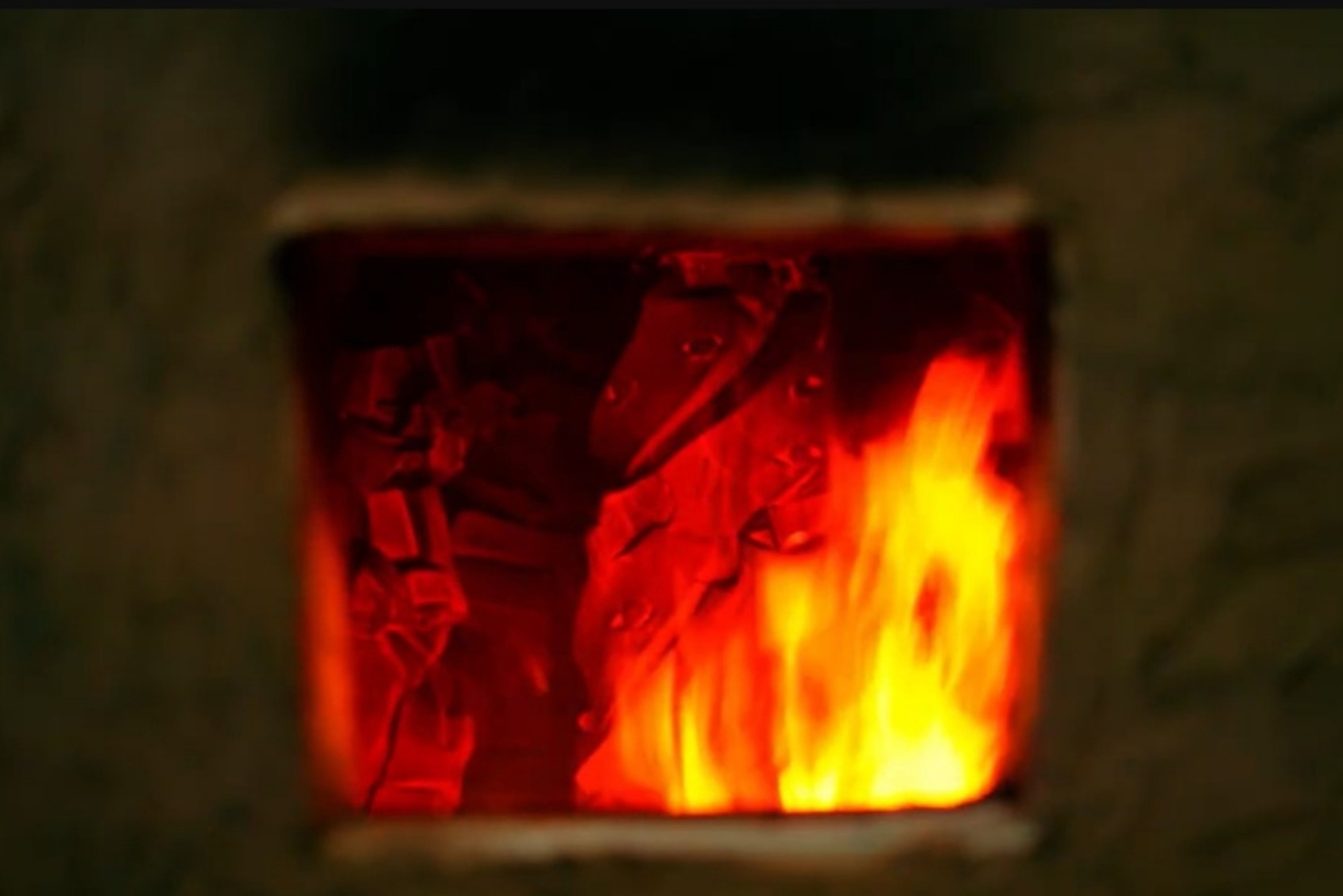
Shozo Michikawa|Film still (from documentary)|© Kazuaki Sakuma
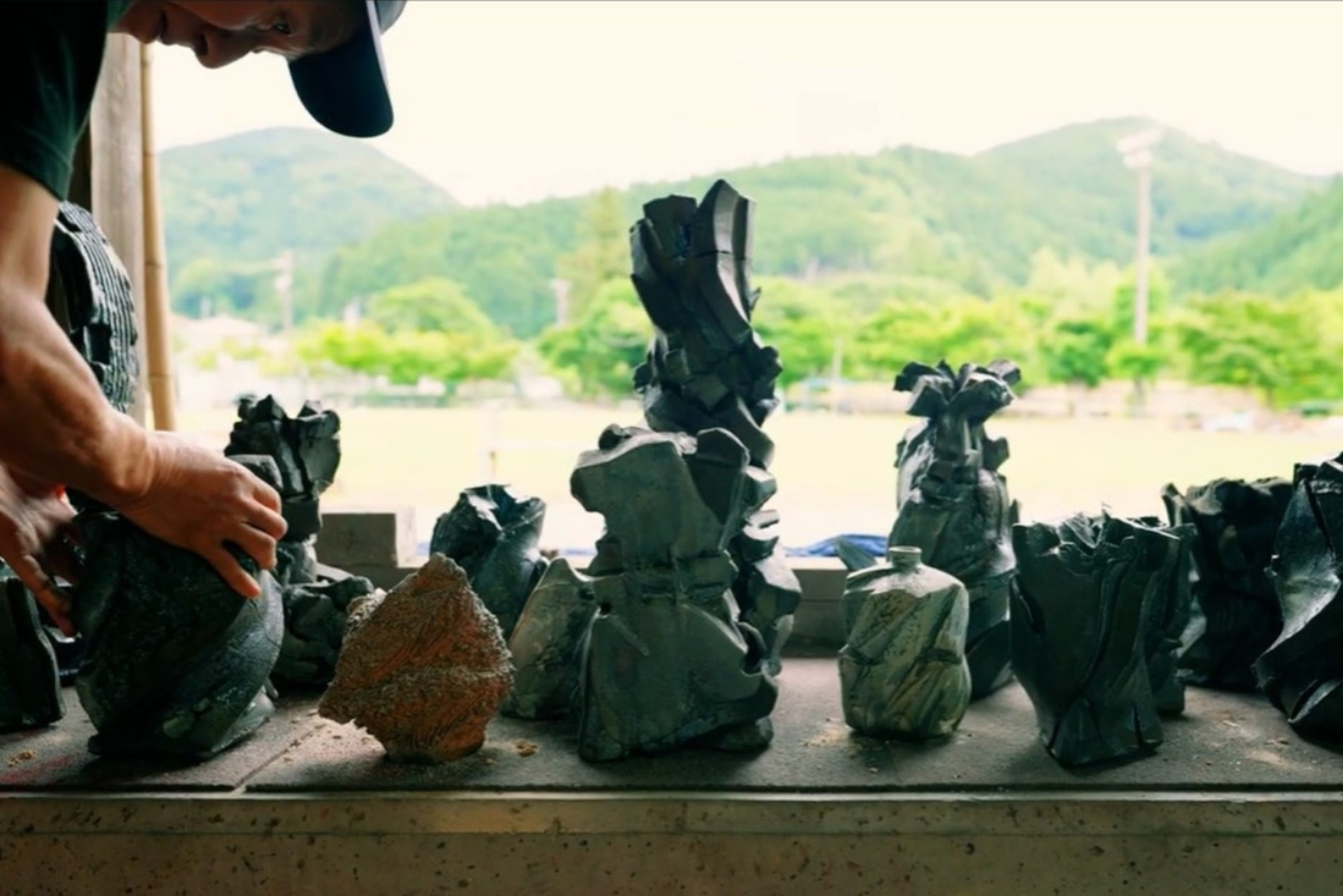
Shozo Michikawa|Film still (from documentary)|© Kazuaki Sakuma